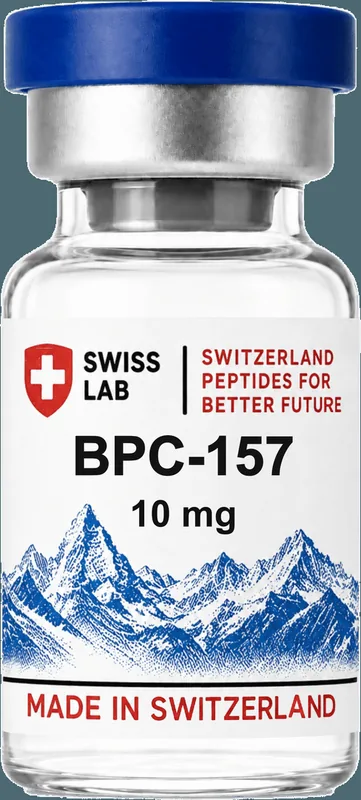
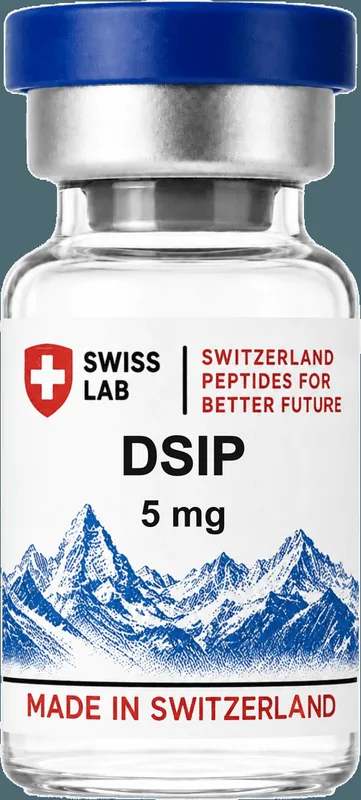
DSIP: Molecular Mechanisms of Delta Sleep-Inducing Peptide and Endocrine Modulation
Exploring the nonapeptide DSIP (Trp-Ala-Gly-Gly-Asp-Ala-Ser-Gly-Glu). Neurochemical mechanisms, circadian rhythm regulation, oxidative stress mitigation, and analytical characterization. DSIP is a synthetic nonapeptide originally isolated from dialysates of venous blood during induced sleep.
- DSIP is a synthetic nonapeptide originally isolated from dialysates of venous blood during induced sleep.
- Readily crosses the blood-brain barrier intact through carrier-mediated transport.
- Promotes electroencephalographic slow-wave (delta) spindle activity in neuronal culture models.
- Exhibits antioxidant and free-radical scavenging properties under cellular oxidative stress.
- Modulates the hypothalamic-pituitary-adrenal (HPA) axis, normalizing stress-induced ACTH elevations.
| CAS Registry Number | 62568-57-4 |
|---|---|
| Molecular Formula | C35H48N10O15 |
| Molecular Mass | 848.81 g/mol |
| Primary Biological Target | NMDA/GABA Modulatory Pathways & Circadian Clock |
| Analytical Purity Standard | ≥99.0% (RP-HPLC, C18, 214/220 nm) |
| Identity Verification | ESI-MS (±0.1 Da) + Karl Fischer Moisture (<3.0%) |
| Lyophilized Storage | -20°C desiccated, protected from UV light (24–36 months) |
| Reconstituted Storage | 2°C–8°C refrigerated (up to 28 days in 0.9% BA BAC water) |
1. Isolation, Sequence, and Chemical Properties
Delta Sleep-Inducing Peptide (DSIP) is a linear nonapeptide with the sequence H-Trp-Ala-Gly-Gly-Asp-Ala-Ser-Gly-Glu-OH. Discovered in 1977 by Swiss neuroscientist Marcel Monnier, DSIP is an amphiphilic neuropeptide possessing an N-terminal hydrophobic tryptophan and acidic C-terminal residues (Asp, Glu). With a molecular mass of 848.81 Da, it is capable of crossing the blood-brain barrier via passive diffusion and specific active transport systems.
2. Central Nervous System Activity and Delta-Wave Generation
In electrophysiological research, administration of DSIP enhances slow-wave delta rhythm (0.5–4.0 Hz) without suppressing REM cycles or inducing general pharmacological sedation. DSIP acts as a neuromodulator, interacting with both GABAergic transmission and NMDA glutamate receptor subunits to stabilize neuronal membrane potentials and reduce excitotoxic calcium influx.
3. Neuroprotective and Endocrine Regulatory Actions
Beyond sleep architecture, DSIP exhibits potent cytoprotective and endocrine-stabilizing properties. Research indicates DSIP reduces lipid peroxidation by stimulating endogenous superoxide dismutase (SOD) and glutathione peroxidase activities. In addition, DSIP modulates hypothalamic corticotropin-releasing hormone (CRH) output, blunting acute stress-induced cortisol and ACTH hypersecretion.
4. Laboratory Preparation and Solubility
DSIP is readily soluble in sterile water, PBS (pH 7.4), or 0.9% bacteriostatic saline at concentrations exceeding 10 mg/mL. Due to the presence of an N-terminal tryptophan, DSIP solutions should be protected from light and stored at -20°C to prevent oxidative degradation of the indole ring.
5. Bench Preparation & Assay Reproducibility for DSIP
When designing in-vitro experiments targeting NMDA/GABA Modulatory Pathways & Circadian Clock, normalize dosing across replicates by molar concentration (µM or nM) using the published molecular weight (848.81 g/mol) and batch counterion composition rather than gross powder weight alone. Log lot numbers, diluent pH, and aliquot dates to ensure batch-to-batch reproducibility across longitudinal experiments.
Peer-Reviewed References & Analytical Standards
- Schoenenberger G.A. & Monnier M. (1977). Characterization of a delta-electroencephalogram (-sleep)-inducing peptide. Proceedings of the National Academy of Sciences, 74(3), 1282–1286. [PMID: 265572 ↗]
- Kovalzon V.M. & Strekalova T.V. (2006). Delta sleep-inducing peptide (DSIP): a still unresolved riddle. Journal of Neurochemistry, 97(2), 303–309. [PMID: 16539679 ↗]
Referenced Laboratory Research Reagents
Batch-verified SwissLab catalog entries cited in this monograph
All analytical monographs and chemical data are published strictly for in-vitro laboratory research and scientific reference. Reagents must be handled by qualified personnel wearing appropriate PPE. Not for human or veterinary use.