≥99.2%
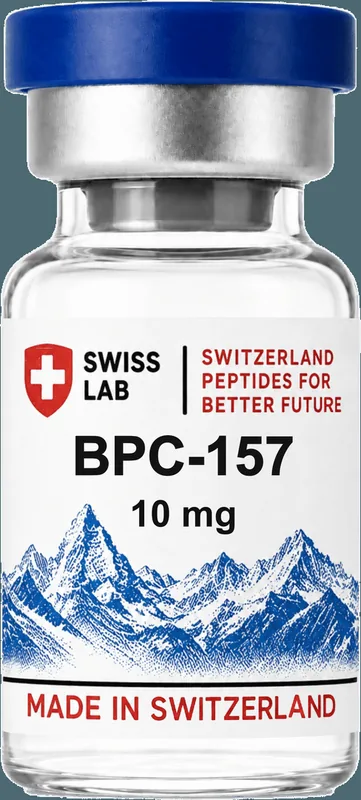
€38
European peptide supplier providing ≥99.0% RP-HPLC & ESI-MS verified lyophilized peptide powder vials with batch CoAs, USP bacteriostatic water, and 1–4 day cold-chain delivery across Switzerland and the EU.
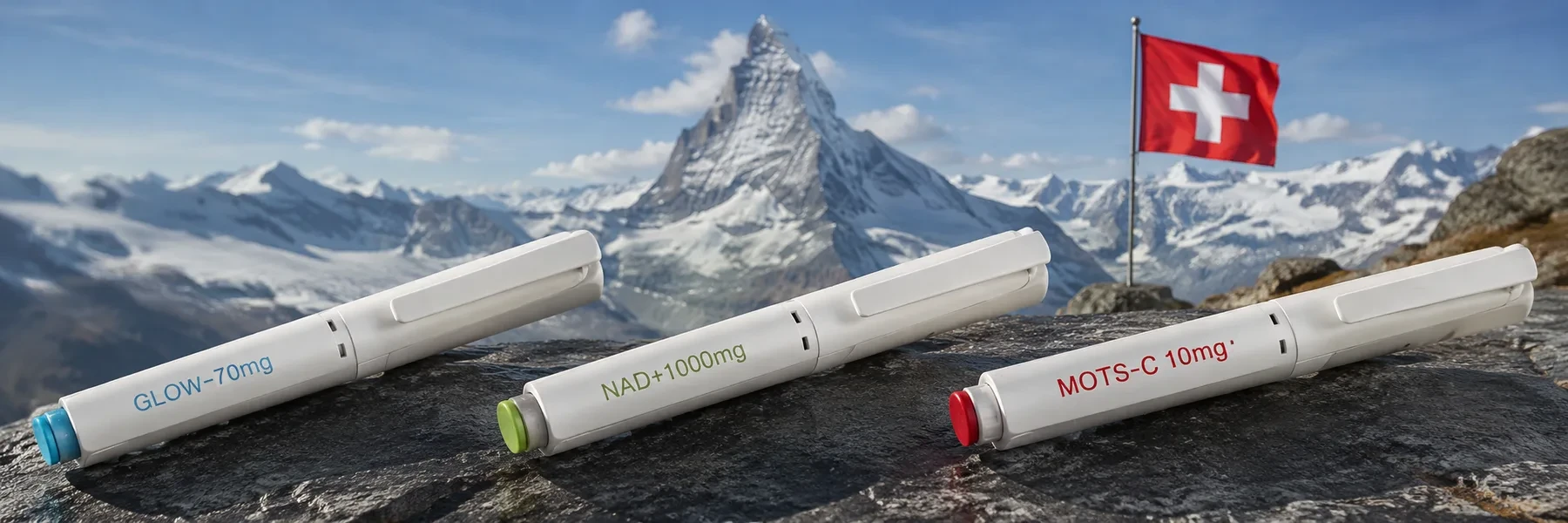
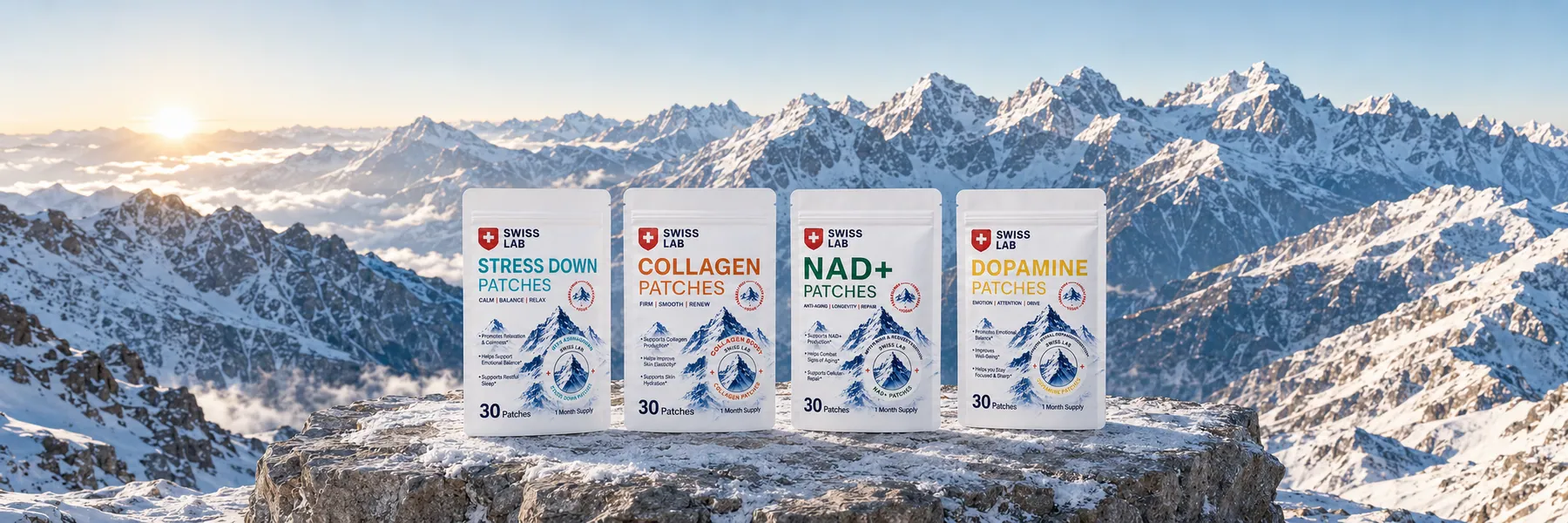
Lyophilized vials, multi-peptide kits, calibrated dispensing pens, and hydrogel matrices
Explore dedicated analytical catalogs organized by receptor family and mechanism
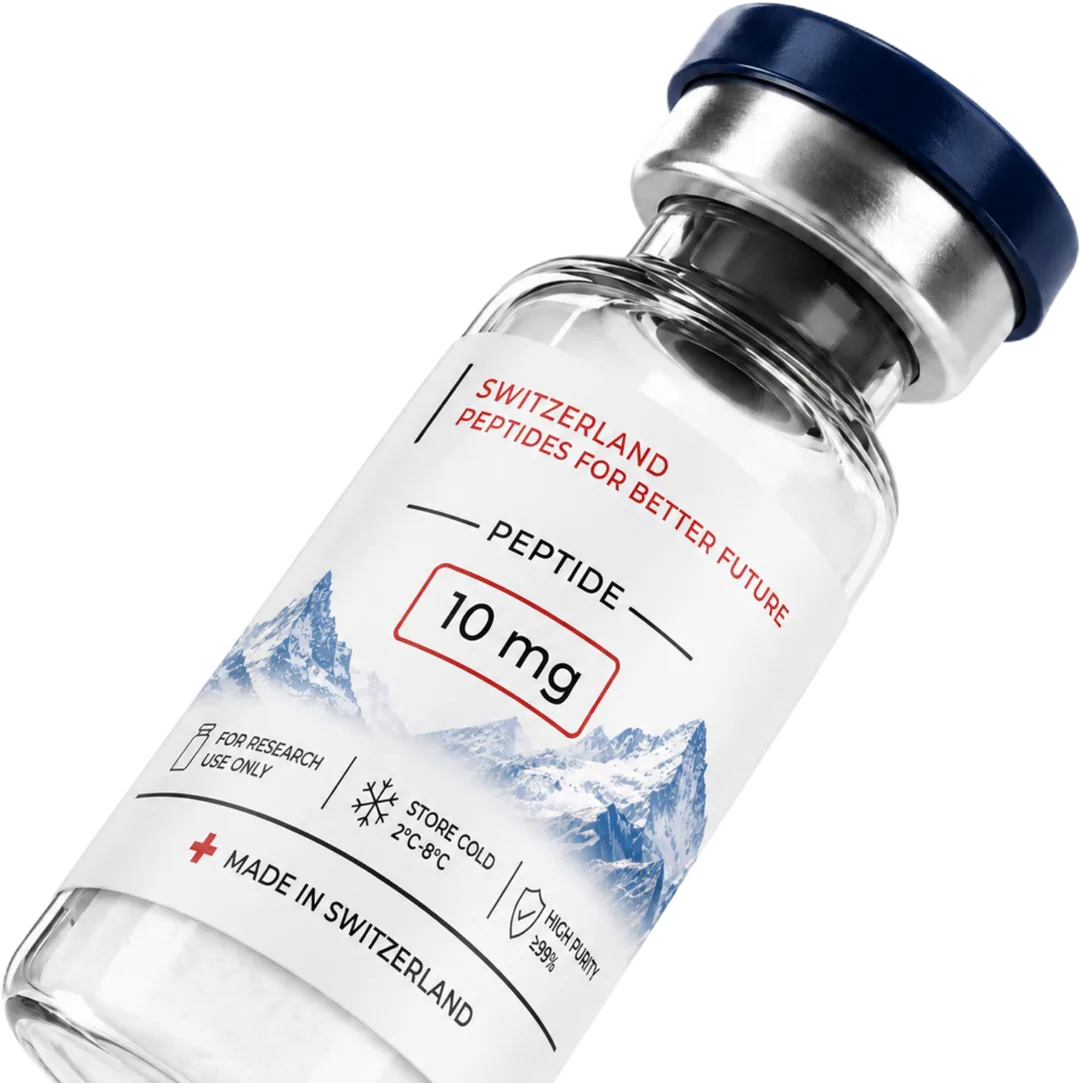
Batch-verified lyophilized vials with CAS, molecular weight, and ESI-MS data
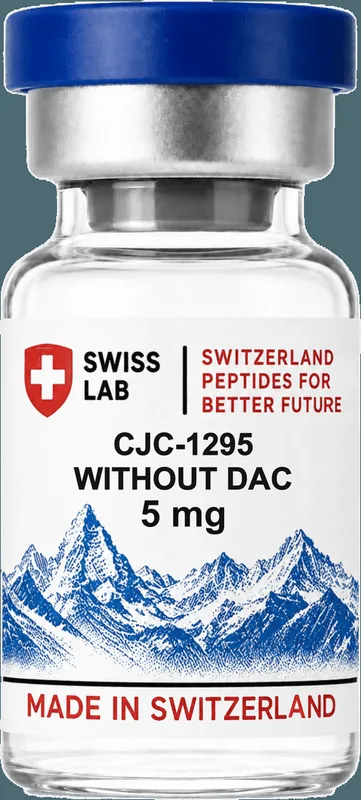
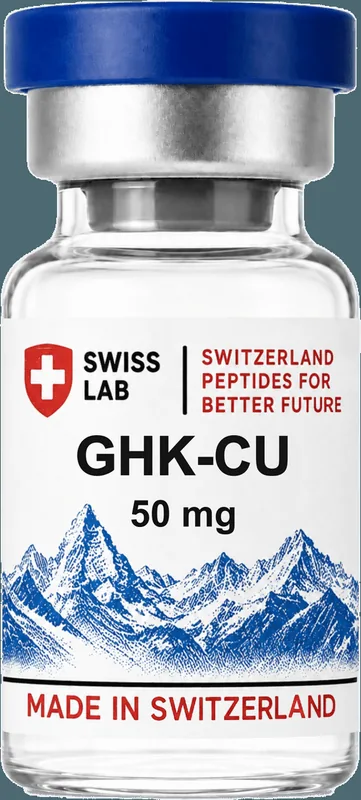
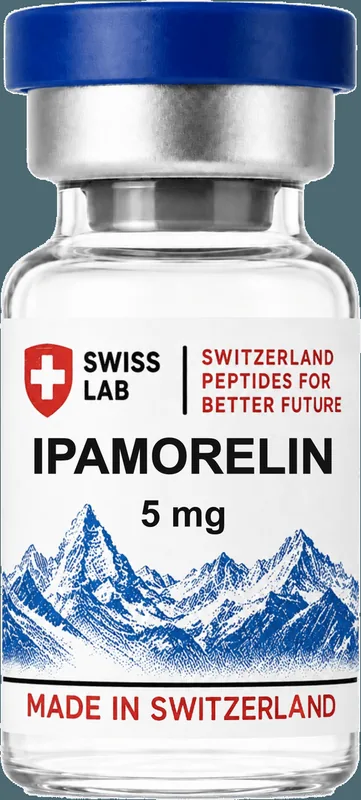
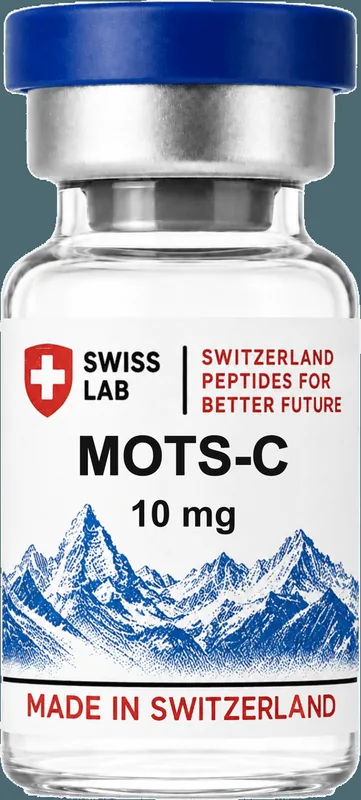
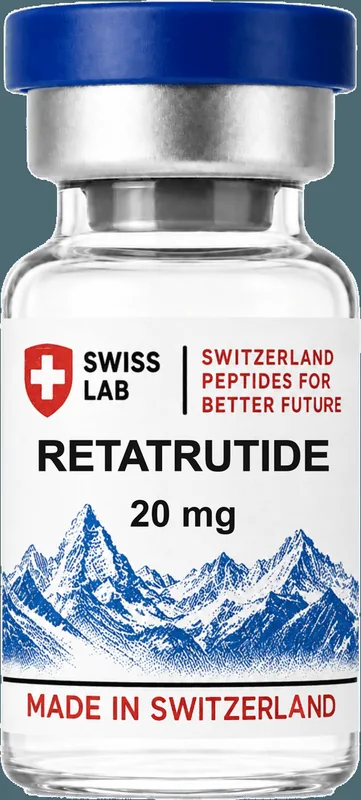
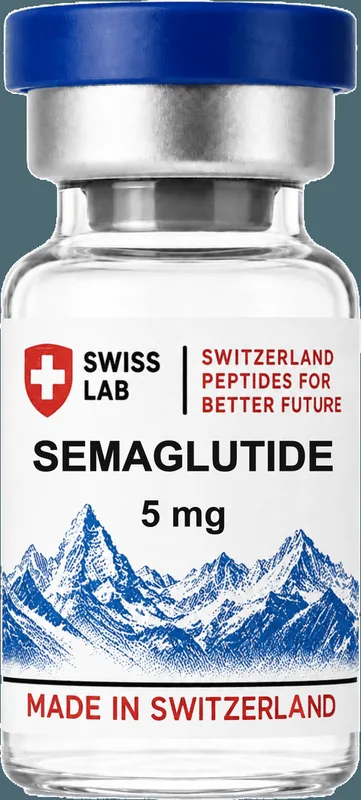
Clear procurement terms for Swiss and European research teams. Minimum order is €220.00 EUR to cover validated insulated cold-chain packaging and batch lot documentation.
Combine lyophilized vials, sterile USP diluents, bundles, or calibrated pens across 66 batch-verified SKUs. Live minimum-order progress tracks automatically in your cart.
SEPA Bank (EUR): Place your order to receive an Order Reference, then request IBAN/BIC details via LiveChat or email. Crypto: Scan QR or copy wallet for BTC, ETH, USDT (TRC-20/ERC-20), USDC, SOL, or XMR.
Confirmed orders ship Monday–Thursday (14:00 CET cutoff) in thermal foil with coolant gel packs: 1–2 business days in Switzerland (Free) and 2–4 business days across the EU (Free >€150).
Calculate reconstitution concentration, pipette µL / U-100 graduations, Net Peptide Content (NPC) molarity, amino acid sequence MW/pI/GRAVY, and multi-peptide blend yields.
Keep NPC at 100% for gross vial mass, or enter your batch Net Peptide Content (typically 75%–85% after counterion salt & bound water) for true active molarity.
Reconstituting 5 mg in 2.0 mL yields 2.50 mg/mL (25.0 µg per unit). Aspirate 10 units (100 µL) per 250 µg aliquot (20 aliquots/vial).
Computes average molecular weight, Henderson–Hasselbalch isoelectric point (pI), net charge at pH 7.0, Kyte–Doolittle GRAVY hydropathy, UV 280 nm extinction coefficient, and solvent guidance.
Hydrophilic acidic peptide (net charge < 0 at pH 7.0). Dissolves readily in sterile neutral Bacteriostatic Water or sterile PBS (pH 7.4).
| Constituent | Stock Conc. | Delivered / Aliquot |
|---|
SwissLab Peptides adheres to European Good Distribution Practice (GDP) and strict analytical release criteria. Every lot undergoes multi-stage verification before release to academic and biotechnology laboratories.
Peptides are assembled sequentially on high-swelling resins using Fmoc-protected amino acids and low-racemization coupling reagents (Oxyma Pure / DIC) with cycle-by-cycle efficiency checks.
Crude isolates are purified on dynamic axial compression C18 columns. Fractions exceeding ≥99.0% chromatographic purity are pooled and exchanged to acetate counterions for cell-culture compatibility.
Purified bulk solutions are sterile-filtered into USP Type I borosilicate vials, freeze-dried under deep vacuum (<0.05 mbar), and stoppered under inert nitrogen to maintain moisture below 3.0%.
Analytical purity, Net Peptide Content, cold-chain transit, and diluent compatibility answers.
Every lyophilized peptide batch synthesized for SwissLab Peptides is independently verified using Reverse-Phase High-Performance Liquid Chromatography (RP-HPLC, C18, UV 214/220 nm) and Electrospray Ionization Mass Spectrometry (ESI-MS). We guarantee ≥99.0% chromatographic purity, ±0.1 Da molecular mass confirmation, and <3.0% Karl Fischer moisture content.
Store unopened lyophilized vials desiccated at -20°C (stable 24–36 months) or -80°C for multi-year archive storage. Always equilibrate sealed vials to room temperature (20°C–25°C) for 15–20 minutes inside a desiccator before uncapping to avoid hygroscopic moisture condensation. Once reconstituted in sterile 0.9% Benzyl Alcohol Bacteriostatic Water, refrigerate solutions at 2°C–8°C.
Chromatographic purity (≥99.0%) measures the percentage of the target peptide peak relative to all UV-absorbing species on an RP-HPLC chromatogram. Net Peptide Content (typically 70%–85% of gross cake weight) accounts for counterion salts (acetate or trifluoroacetate) and residual bound water. Use our Molarity & NPC calculator for exact assay concentrations.
Orders ship Monday through Thursday in insulated foil packaging with medical-grade coolant gel packs. Express dispatch achieves 1–2 business day delivery within Switzerland and 2–4 business days across European Union member states, backed by our cold-chain transit replacement guarantee.
Neutral and basic peptides (BPC-157, TB-500, Ipamorelin) dissolve readily in sterile 0.9% Benzyl Alcohol Bacteriostatic Water. Hydrophobic or basic polypeptides such as IGF-1 LR3 or AOD-9604 should be pre-dissolved in 0.6% sterile acetic acid before buffer dilution, while small molecules like SLU-PP-332 require sterile DMSO.
Literature-referenced receptor reviews, HPLC verification guides, and laboratory SOPs
Step-by-step analytical audit guide for laboratory buyers: why RP-HPLC purity alone does not prove sequence identity or vial milligram fill, plus how to detect altered or recycled COAs.
How European laboratories audit peptide suppliers in 2026 after UK storefront closures and overseas customs bottlenecks: entity transparency, batch traceability, SEPA settlement, and cold-chain dispatch.
Why Switzerland's non-EU customs boundary affects laboratory peptide shipping: FOCBS border clearance, Swissmedic Research Use Only (RUO) governance, and cold-chain thermal kinetics.
0 items selected • Min. order €220
Your cart is empty
Browse our catalog of research peptides and reagents (minimum order €220).