≥99.0%
€54
Synthetic neuropeptides, melanocortin receptor ligands, neurotrophic peptide fragments, and circadian/endocrine signaling probes.
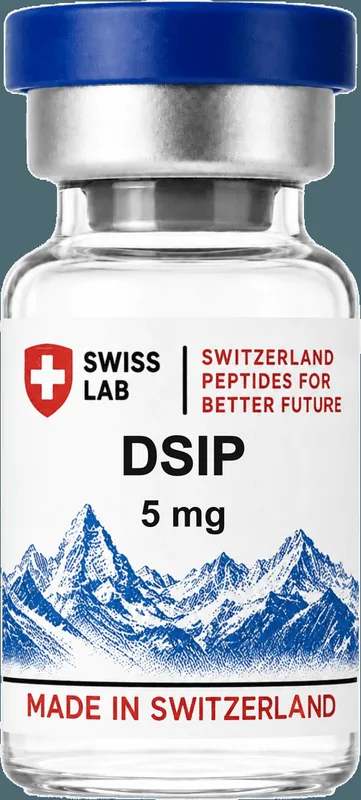
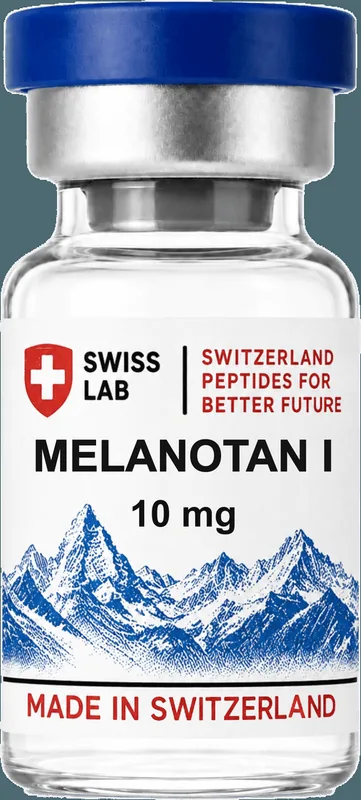
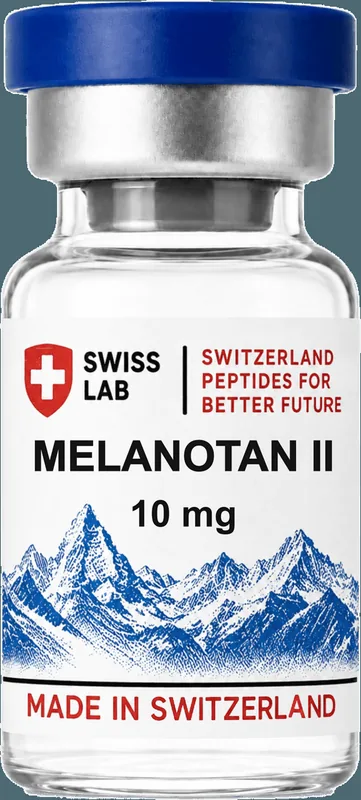
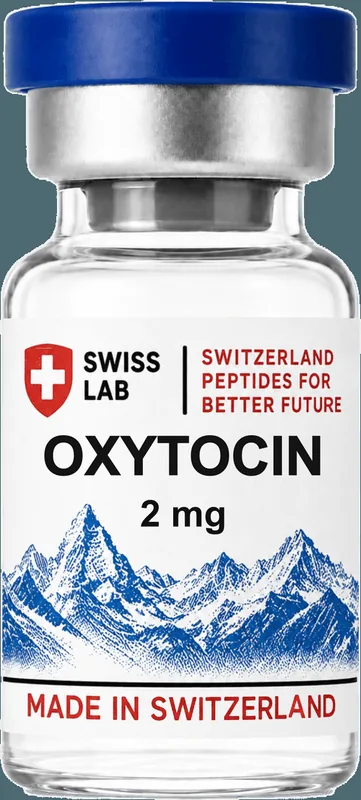
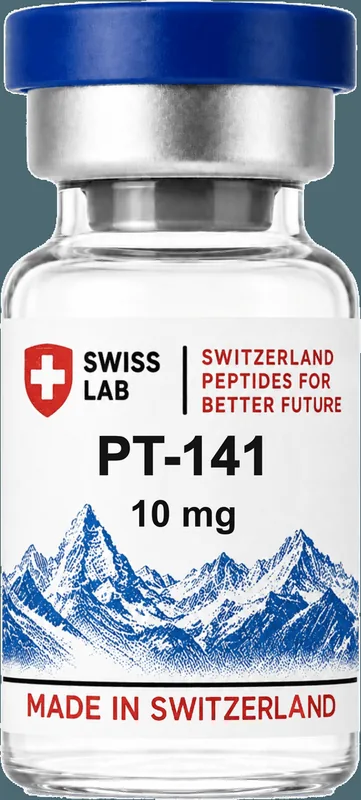
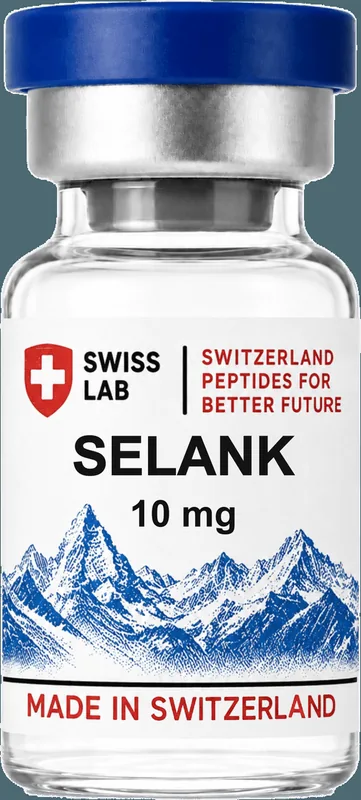
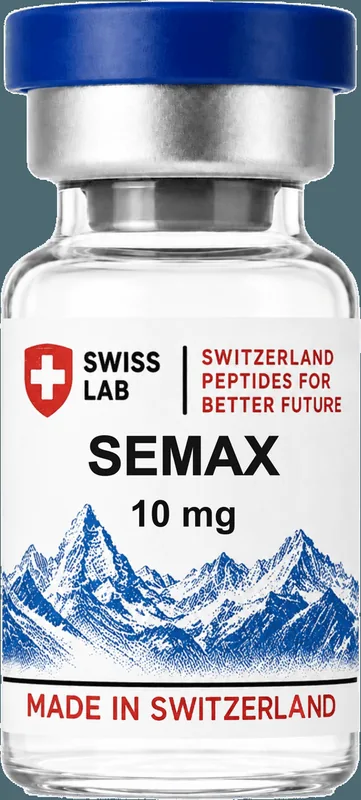
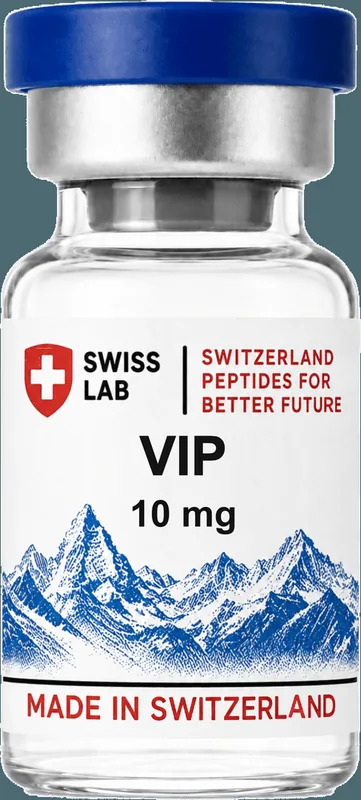
Our Neuropeptides & Cognitive Models division provides rigorously characterized CNS-active research peptides—including ACTH(4-10) analogue Semax, tuftsin heptapeptide Selank, nonapeptide DSIP, cyclic disulfide nonapeptide Oxytocin, vasoactive intestinal peptide (VIP), and melanocortin receptor agonists (PT-141, Melanotan I, Melanotan II).
Cyclic lactam and disulfide-bridged neuropeptides (Oxytocin, PT-141, Melanotan II) are checked by high-resolution ESI-MS to verify intact cyclization (-2 Da for disulfide closure or -18 Da for lactam bridge formation) alongside RP-HPLC purity.
Exploring the nonapeptide DSIP (Trp-Ala-Gly-Gly-Asp-Ala-Ser-Gly-Glu). Neurochemical mechanisms, circadian rhythm regulation, oxidative stress mitigation, and analytical characterization.
A structural review of cyclic heptapeptide Melanotan II (Ac-Nle-cyclo[Asp-His-D-Phe-Arg-Trp-Lys]-NH2). Receptor affinities (MC1R–MC5R), cyclic lactam stability, and analytical standards.
A deep analysis of Bremelanotide (PT-141), the active metabolite of Melanotan II. Central MC3R/MC4R agonism, hypothalamic signaling, and analytical HPLC characterization.
Yes. Oxytocin relies on a Cys1–Cys6 intramolecular disulfide bridge for receptor conformation. Never expose it to reducing agents (DTT, TCEP) or alkaline buffers above pH 8.0.
Indole rings in tryptophan residues are photosensitive. Store lyophilized and reconstituted vials shielded from UV/ambient light at -20°C (solid) or 2°C–8°C (solution).
Both heptapeptides incorporate a C-terminal Pro-Gly-Pro (PGP) tripeptide extension that slows aminopeptidase and carboxypeptidase cleavage compared to unmodified ACTH(4-7) or tuftsin.
0 items selected • Min. order €220
Your cart is empty
Browse our catalog of research peptides and reagents (minimum order €220).