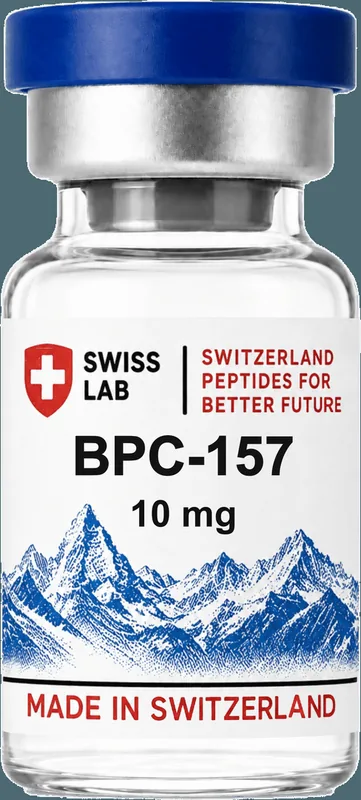
How to Reconstitute Research Peptides & Storage SOP
Validated laboratory protocols for reconstituting 5 mg and 10 mg lyophilized peptide vials with bacteriostatic water vs. sterile water, IGF-1 LR3 acetic acid solubilization, DMSO small-molecule stocks, and Celsius storage temperature limits.
Thermal Equilibration
Allow the sealed lyophilized vial to equilibrate at 20°C–25°C inside a desiccator for 15–20 minutes before opening to prevent hygroscopic moisture condensation.
Septum Disinfection
Disinfect the chlorobutyl rubber septum with a sterile 70% isopropyl alcohol swab and allow it to air dry completely under a laminar flow hood.
Slow-Wall Infusion
Dispense sterile diluent slowly down the inside borosilicate glass wall rather than forcefully spraying the lyophilized cake.
Gentle Dissolution
Roll the vial gently between palms until optically clear. Never vortex or shake. Refrigerate reconstituted stocks at 2°C–8°C.
Peptide Reconstitution, Sequence Property & Blend Calculator
Calculate reconstitution concentration, pipette µL / U-100 graduations, Net Peptide Content (NPC) molarity, amino acid sequence MW/pI/GRAVY, and multi-peptide blend yields.
Keep NPC at 100% for gross vial mass, or enter your batch Net Peptide Content (typically 75%–85% after counterion salt & bound water) for true active molarity.
Reconstituting 5 mg in 2.0 mL yields 2.50 mg/mL (25.0 µg per unit). Aspirate 10 units (100 µL) per 250 µg aliquot (20 aliquots/vial).
Computes average molecular weight, Henderson–Hasselbalch isoelectric point (pI), net charge at pH 7.0, Kyte–Doolittle GRAVY hydropathy, UV 280 nm extinction coefficient, and solvent guidance.
Hydrophilic acidic peptide (net charge < 0 at pH 7.0). Dissolves readily in sterile neutral Bacteriostatic Water or sterile PBS (pH 7.4).
| Constituent | Stock Conc. | Delivered / Aliquot |
|---|
Solvent Selection & Compatibility Matrix
Select the primary diluent according to net charge, hydrophobic residue ratio, and isoelectric point (pI).
| Compound Class | Primary Diluent | Secondary Buffer | Examples |
|---|---|---|---|
| Neutral / Basic Peptides | 0.9% BA Bacteriostatic Water | Sterile 0.9% NaCl | BPC-157, TB-500, CJC-1295, Ipamorelin |
| Hydrophobic Polypeptides | 0.6% Sterile Acetic Acid (initial 100 µL) | Bacteriostatic Water / PBS dilution | IGF-1 LR3, AOD-9604, Follistatin-344 |
| Acidic Peptides (Asp/Glu rich) | Sterile PBS (pH 7.4) | Neutral Bacteriostatic Water | Semax, DSIP, Thymosin Alpha-1 |
| Small-Molecule Reference Probes | Sterile DMSO (>20 mg/mL stock) | Aqueous Assay Buffer (<1% final DMSO) | 5-Amino-1MQ, AICAR, SLU-PP-332 |
Peptide Storage Temperature Chart (°C) & Stability After Reconstitution
Lyophilized peptide stability vs. reconstituted aqueous solution and sterile DMSO stock shelf life across laboratory temperature zones.
| Physical State / Solvent | Storage Temp (°C) | Expected Shelf Life | Key Degradation Risk |
|---|---|---|---|
| Lyophilized Powder (Unopened, Desiccated) | -20°C to -80°C | 24–36+ months | Moisture condensation if uncapped cold |
| Lyophilized Powder (Short-Term / Transit) | 15°C–25°C (Room Temp) | 7–21 days | Deamidation & Met/Cys oxidation over weeks |
| Reconstituted in 0.9% BA Bacteriostatic Water | 2°C–8°C (Refrigerated) | Up to 28 days | Hydrolysis & microbial growth past 28d |
| Reconstituted in Sterile Water (No Preservative) | 2°C–8°C (Single-Use) | 24–48 hours | No antimicrobial preservative (USP <51>) |
| Small Molecules in Sterile DMSO (e.g. SLU-PP-332) | -80°C (Aliquoted) | Up to 6 months | Hygroscopic water uptake & freeze-thaw cycling |
Related Analytical SOP Monographs
Technical protocols on solubility, counterions, CoA interpretation, and storage kinetics.
Peptide Solubility & Isoelectric Point (pI) Guide
How to calculate net charge, GRAVY index, and select acidic, neutral, or organic co-solvents.
Bacteriostatic Water vs Sterile Saline vs SWFI
Benzyl alcohol antimicrobial preservation and hydrolysis prevention in multi-aliquot vials.
TFA vs Acetate Counterions in Peptides
Cell-culture viability effects, salt exchange, and residual TFA quantitation standards.
How to Read a Peptide Certificate of Analysis
Interpreting RP-HPLC chromatograms, ESI-MS ion peaks, Net Peptide Content, and moisture.
Lyophilized Peptide Storage & Degradation
Preventing deamidation, methionine oxidation, and hydrolytic cleavage.
What "Research Use Only" (RUO) Means
Swiss and EU regulatory boundaries, institutional custody, and laboratory compliance.