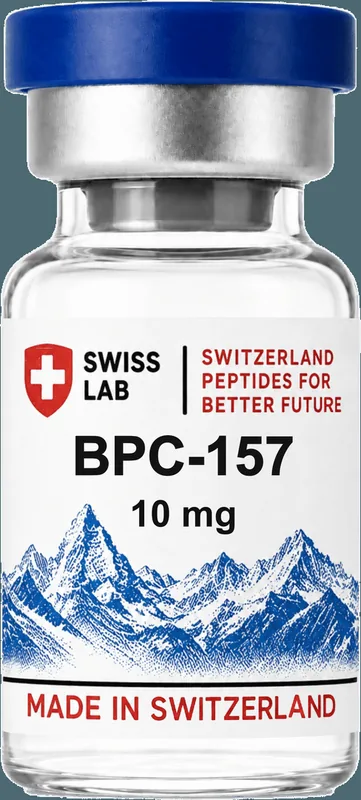
TFA vs Acetate Counterions in Synthetic Peptides: Cell Viability, Cytotoxicity Thresholds, and Salt Conversion
A technical analysis of counterion chemistry in solid-phase peptide synthesis. Trifluoroacetate (TFA) cytotoxicity in cell assays, acetate counterion substitution, and RP-HPLC residual quantitation. Synthetic peptides produced via Fmoc-SPPS are cleaved with trifluoroacetic acid (TFA), leaving 10–25% residual TFA counterion by weight.
- Synthetic peptides produced via Fmoc-SPPS are cleaved with trifluoroacetic acid (TFA), leaving 10–25% residual TFA counterion by weight.
- Residual TFA counterions can alter cellular viability, inhibit cell proliferation, and bias in-vitro bioassays at micromolar concentrations.
- Acetate counterion exchange replaces harsh fluorinated anions with physiological acetate (CH3COO-), ensuring biocompatibility.
- Analytical RP-HPLC with ion-pairing detection and 19F-NMR can accurately quantify residual TFA below 0.5%.
| CAS Registry Number | 76-05-1 (TFA) / 64-19-7 (Acetate) |
|---|---|
| Molecular Formula | CF3COO- vs CH3COO- |
| Molecular Mass | 113.01 g/mol / 59.04 g/mol |
| Primary Biological Target | In-Vitro Cell Culture Viability, Ion Exchange & Analytical Quantitation |
| Analytical Purity Standard | ≥99.0% (RP-HPLC, C18, 214/220 nm) |
| Identity Verification | ESI-MS (±0.1 Da) + Karl Fischer Moisture (<3.0%) |
| Lyophilized Storage | -20°C desiccated, protected from UV light (24–36 months) |
| Reconstituted Storage | 2°C–8°C refrigerated (up to 28 days in 0.9% BA BAC water) |
1. Why Synthetic Peptides Contain TFA Counterions
During standard Solid-Phase Peptide Synthesis (Fmoc chemistry), the final deprotection of side-chain protecting groups and resin cleavage requires a cocktail containing 90–95% Trifluoroacetic Acid (TFA). Because basic amino acid residues (Lys, Arg, His, N-terminal amine) carry positive charges, they electrostatically bind trifluoroacetate anions (CF3COO-). As a consequence, crude and standard purified research peptides naturally exist as TFA salts, with TFA contributing 10% to 25% of the total dry powder mass.
2. Cytotoxic and Pharmacological Effects of Residual TFA
In cell culture assays, residual TFA can act as a confounding variable. Studies in primary neuronal cultures, stem cells, and isolated enzyme systems show that TFA concentrations above 10 µM can inhibit cell proliferation, alter intracellular calcium signaling, uncouple mitochondrial respiration, and depress cell viability independently of the peptide's bioactivity. For high-precision cellular and electrophysiological research, TFA-free or acetate-salt peptides are strongly recommended.
3. Counterion Exchange Methodology: TFA to Acetate Conversion
To convert a peptide from TFA salt to acetate salt, the purified peptide is subjected to strong anion-exchange chromatography (e.g., Dowex acetate resin) or multiple cycles of lyophilization from dilute (10–100 mM) ammonium acetate or acetic acid solutions. High-purity acetate conversion achieves residual TFA levels less than 0.5% w/w, eliminating counterion artifact risks in sensitive bioassays.
4. Analytical Verification and Quantitation Protocols
SwissLab verifies counterion purity using two orthogonal analytical techniques: (1) Reverse-Phase HPLC with an ion-exclusion column and UV detection at 210 nm; (2) Fluorine-19 Nuclear Magnetic Resonance (19F-NMR) spectroscopy using sodium trifluoroacetate as an internal reference. Every Certificate of Analysis (CoA) specifies the exact counterion salt form and net peptide content.
5. Bench Preparation & Assay Reproducibility for TFA vs Acetate Counterions in Synthetic Peptides
When designing in-vitro experiments targeting In-Vitro Cell Culture Viability, Ion Exchange & Analytical Quantitation, normalize dosing across replicates by molar concentration (µM or nM) using the published molecular weight (113.01 g/mol / 59.04 g/mol) and batch counterion composition rather than gross powder weight alone. Log lot numbers, diluent pH, and aliquot dates to ensure batch-to-batch reproducibility across longitudinal experiments.
Peer-Reviewed References & Analytical Standards
- Cornish J. et al. (1999). Trifluoroacetate, a contaminant in purified proteins, inhibits proliferation of osteoblasts and chondrocytes. American Journal of Physiology, 277(5), E779–E783. [PMID: 10567002 ↗]
- Roux S. et al. (2008). Elimination and exchange of trifluoroacetate counter-ion from cationic peptides: a critical evaluation of different approaches. Journal of Peptide Science, 14(3), 354–359. [PMID: 17994637 ↗]
Referenced Laboratory Research Reagents
Batch-verified SwissLab catalog entries cited in this monograph
All analytical monographs and chemical data are published strictly for in-vitro laboratory research and scientific reference. Reagents must be handled by qualified personnel wearing appropriate PPE. Not for human or veterinary use.