≥99.0%
€52
Peptides investigated in angiogenesis, fibroblast migration, actin remodeling, innate repair signaling, and extracellular matrix assays.
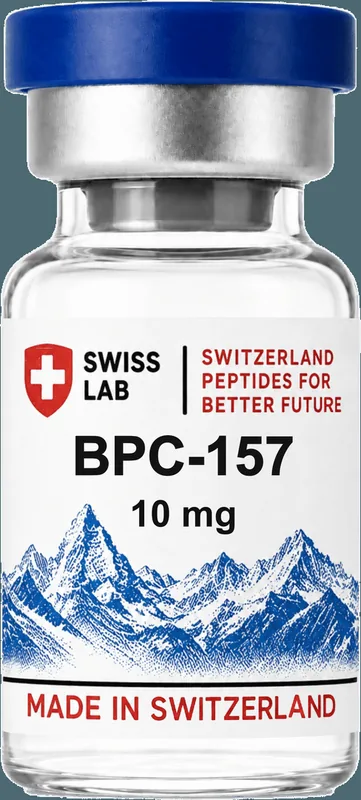
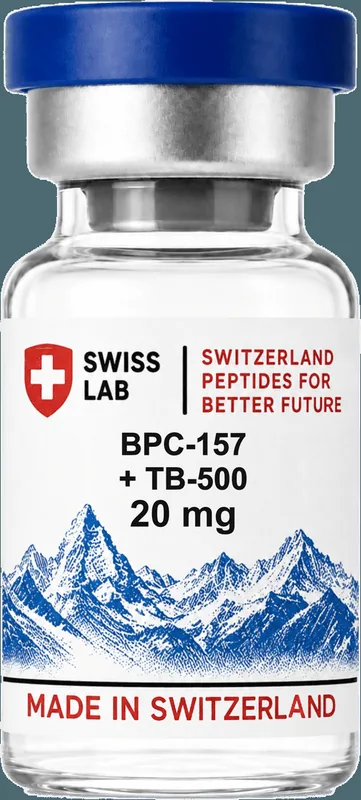
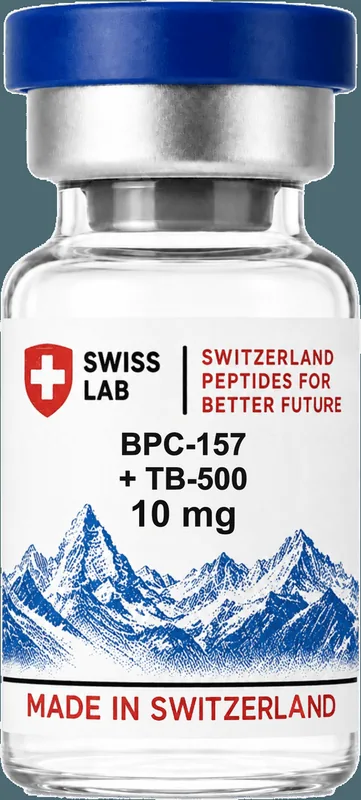
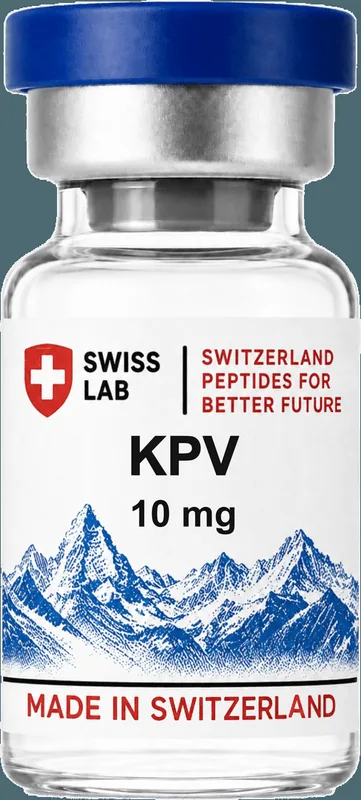
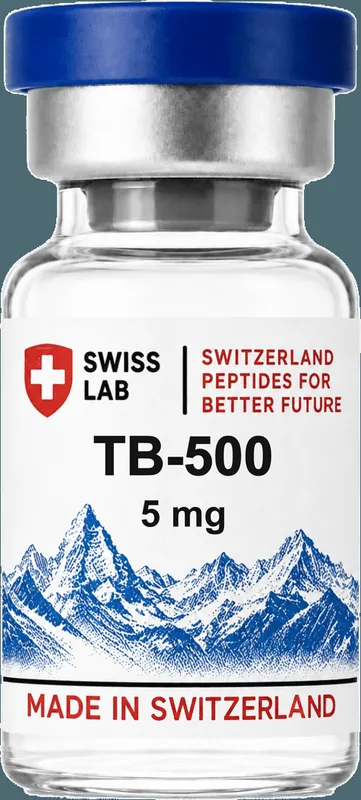
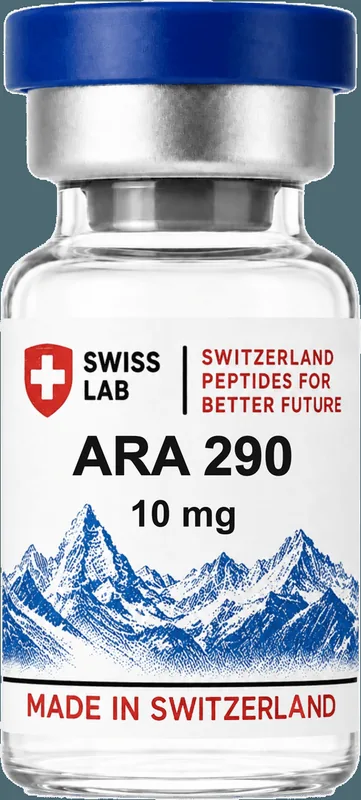
Compounds in our Recovery & Tissue Repair catalog target complementary cellular pathways—including VEGFR2/nitric-oxide signaling (BPC-157), globular actin sequestration (TB-500), melanocortin-mediated inflammatory modulation (KPV), and innate repair receptor activation (ARA 290). Every vial is synthesized via automated Fmoc-SPPS and released with lot-specific RP-HPLC and ESI-MS verification.
All tissue-repair lyophilized peptides are purified on C18 preparative columns to ≥99.0% main-peak purity, salt-exchanged to minimize residual trifluoroacetate (TFA) toxicity in primary fibroblast and tenocyte cultures, and tested to <0.5 EU/mg LAL endotoxin.
A comparative analysis of Body Protection Compound-157 (pentadecapeptide) and Thymosin Beta-4 active fragment TB-500. Differences in VEGF signaling, actin sequestration, and combined laboratory models.
A biochemical review of Thymosin Beta-4 and its synthetic sequence TB-500. G-actin monomer sequestering, cell migration, down-regulation of inflammation, and HPLC analysis.
A biochemical review of the KPV tripeptide (Lys-Pro-Val). Transport via PepT1, nuclear translocation blockade of NF-κB p65, cytokine reduction (TNF-α, IL-6), and mucosal barrier restoration assays.
Every lyophilized lot undergoes analytical RP-HPLC (C18 column, UV 214/220 nm) confirming ≥99.0% chromatographic purity and ESI-MS molecular weight confirmation within ±0.1 Da.
Neutral and mildly basic recovery peptides such as BPC-157, TB-500, and KPV dissolve cleanly in sterile 0.9% Benzyl Alcohol Bacteriostatic Water or sterile PBS (pH 7.4). Avoid vigorous vortexing on longer 43-residue chains like TB-500.
Co-lyophilized blends are tested via gradient RP-HPLC methods tuned to resolve every individual peptide peak independently alongside ESI-MS mass confirmation for each constituent sequence.
0 items selected • Min. order €220
Your cart is empty
Browse our catalog of research peptides and reagents (minimum order €220).