≥99.0%
€52
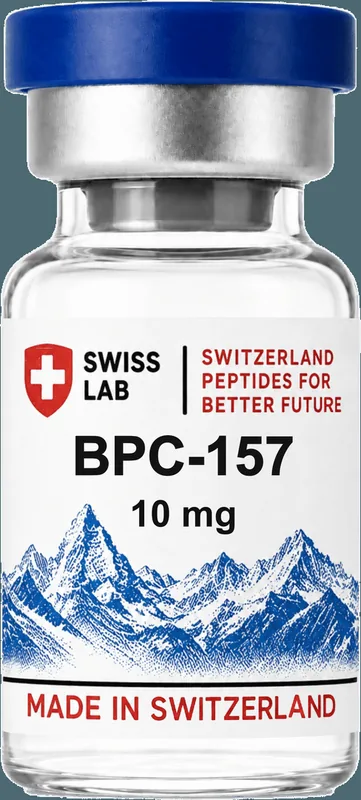
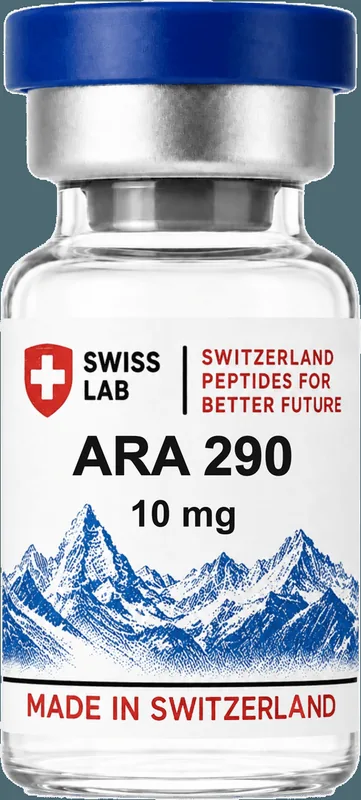
BPC-157 (Body Protection Compound-157) is a synthetic 15-amino acid peptide sequence derived from human gastric juice protein, extensively studied in angiogenesis (VEGFR2/NO), tendon fibroblast migration, and gastrointestinal mucosal models.
BPC-157 (Body Protection Compound-157) is a synthetic 15-amino acid peptide sequence derived from human gastric juice protein, extensively studied in angiogenesis (VEGFR2/NO), tendon fibroblast migration, and gastrointestinal mucosal models.
Analytical release verification for current BPC-157 (5 mg) inventory
| Batch Lot # | Release Date | Analytical Method | Purity Spec | Endotoxin (LAL) | Moisture |
|---|---|---|---|---|---|
| SL-2026-110 | 2026-10-28 | RP-HPLC (C18, 214nm) + ESI-MS | ≥99.2% (Single Peak) | <0.5 EU/mg | <2.8% (Karl Fischer) |
Sterile 0.9% Bacteriostatic Water or sterile PBS (pH 7.4) up to 10 mg/mL
Store lyophilized cake at -20°C (stable 24–36 months). Refrigerate reconstituted solution at 2°C–8°C for up to 28 days.
Reconstituting the full 5 mg vial of BPC-157 (MW 1419.53 g/mol) in 2.0 mL of diluent produces a 2.50 mg/mL stock solution — equivalent to approximately 1.76 mM (1,761 µM) gross molarity before Net Peptide Content (NPC) adjustment.
BPC-157 (CAS 137525-51-0, formula C62H98N16O22) is supplied as Acetate lyophilized salt. Because counterions and residual bound water contribute to gross lyophilized weight, quantitative receptor-binding assays should apply batch Net Peptide Content (NPC) or active-ion correction rather than gross cake weight alone.
Lot SL-2026-110 undergoes RP-HPLC (C18, 214nm) + ESI-MS confirming ≥99.2% (Single Peak) and identity against 1419.53 g/mol. In preclinical literature, BPC-157 targets VEGFR2 / Akt-eNOS pathway, FAK-paxillin & growth hormone receptor expression (Chang C.H. et al., J Appl Physiol (2011) — BPC-157 promotion of tendon fibroblast outgrowth via FAK-paxillin (PMID: 21030672)).
Peer-reviewed mechanism summaries and analytical protocols
A comparative analysis of Body Protection Compound-157 (pentadecapeptide) and Thymosin Beta-4 active fragment TB-500. Differences in VEGF signaling, actin sequestration, and combined laboratory models.
A practical guide for researchers. How to analyze HPLC chromatograms, verify retention time, interpret mass spec m/z peaks, evaluate counterion salt ratios, and spot fraudulent documents.
Standard Operating Procedure (SOP) for peptide reconstitution. Diluent selection (BAC water vs acetic acid), meniscus calculations, avoiding foaming, and cold storage parameters.
0 items selected • Min. order €220
Your cart is empty
Browse our catalog of research peptides and reagents (minimum order €220).