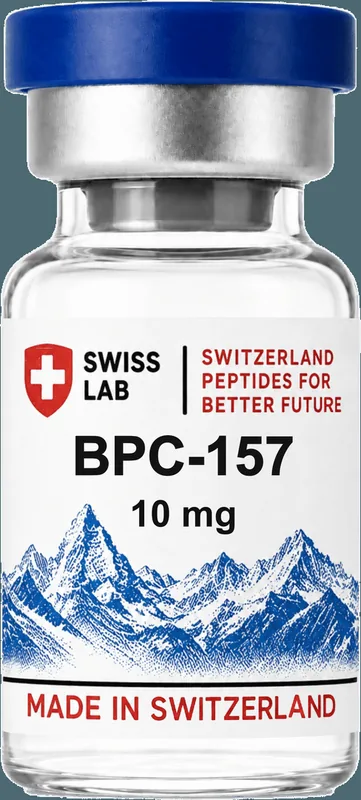
How to Reconstitute Research Peptides: Complete Laboratory Protocol and Best Practices
Standard Operating Procedure (SOP) for peptide reconstitution. Diluent selection (BAC water vs acetic acid), meniscus calculations, avoiding foaming, and cold storage parameters. Always allow lyophilized vials to equilibrate to room temperature (15–20 min) before uncapping to prevent moisture condensation.
- Always allow lyophilized vials to equilibrate to room temperature (15–20 min) before uncapping to prevent moisture condensation.
- Bacteriostatic Water (0.9% Benzyl Alcohol) is the preferred solvent for neutral and basic peptides.
- Hydrophobic or basic peptides may require initial solubilization with sterile 0.6% Acetic Acid or DMSO before aqueous dilution.
- Never inject diluent directly onto the lyophilized cake; trickle solvent slowly down the inside glass wall.
- Do not vortex or shake vigorously; swirl or roll gently between hands to preserve tertiary peptide structure.
| CAS Registry Number | N/A (Standard Operating Procedure) |
|---|---|
| Molecular Formula | Reconstitution Protocols |
| Molecular Mass | N/A |
| Primary Biological Target | Sterile Laboratory Methodology |
| Analytical Purity Standard | ≥99.0% (RP-HPLC, C18, 214/220 nm) |
| Identity Verification | ESI-MS (±0.1 Da) + Karl Fischer Moisture (<3.0%) |
| Lyophilized Storage | -20°C desiccated, protected from UV light (24–36 months) |
| Reconstituted Storage | 2°C–8°C refrigerated (up to 28 days in 0.9% BA BAC water) |
1. Pre-Reconstitution Equilibration and Workspace Preparation
Lyophilized peptide vials stored at -20°C are under vacuum. If a cold vial is opened immediately, warm ambient air rushes in, causing atmospheric moisture to condense onto the hygroscopic peptide powder. This induces immediate hydrolytic degradation. Allow the sealed vial to stand at 20°C–25°C for 15 to 20 minutes before preparation. Disinfect the rubber septum using a 70% isopropyl alcohol swab inside a laminar flow cabinet.
2. Selecting the Correct Solvent: BAC Water vs Acetic Acid vs DMSO
Solvent selection depends on the peptide's overall charge and hydrophobicity. Most research peptides dissolve cleanly in sterile 0.9% Benzyl Alcohol Bacteriostatic Water. However, acidic peptides (excess Asp, Glu residues) dissolve best in neutral or slightly basic buffers (PBS pH 7.4), whereas basic peptides with multiple hydrophobic residues (e.g., Follistatin-344, IGF-1 LR3) dissolve more readily in sterile 0.6% dilute acetic acid before final dilution.
3. The Slow-Wall Infusion Technique
Using a sterile needle and syringe, draw the calculated volume of diluent. Insert the needle through the center of the rubber septum at a 45-degree angle. Equalize pressure by allowing the vial vacuum to draw the solvent in gently, or release vacuum by venting with a secondary sterile needle. Direct the stream against the inside glass wall so the liquid runs down into the cake. Gently roll the vial between your palms until the solution becomes completely transparent. Never shake or vortex.
4. Calculating Concentration and Syringe Markings
Calculate final concentration: Concentration (mg/mL) = Vial Content (mg) ÷ Diluent Volume (mL). For a 10 mg vial reconstituted with 2.0 mL Bacteriostatic Water, concentration is 5.0 mg/mL (or 50 µg per 0.01 mL unit on a standard U-100 syringe). Store reconstituted vials upright at 2°C to 8°C.
5. Bench Preparation & Assay Reproducibility for How to Reconstitute Research Peptides
When designing in-vitro experiments targeting Sterile Laboratory Methodology, normalize dosing across replicates by molar concentration (µM or nM) using the published molecular weight (N/A) and batch counterion composition rather than gross powder weight alone. Log lot numbers, diluent pH, and aliquot dates to ensure batch-to-batch reproducibility across longitudinal experiments.
Peer-Reviewed References & Analytical Standards
- Manning M.C., Chou D.K., Murphy B.M., Payne R.W., Katayama D.S. (2010). Stability of protein pharmaceuticals: an update. Pharmaceutical Research, 27(4), 544–575. [PMID: 20143256 ↗]
- United States Pharmacopeia (USP-NF) General Chapter <51> Antimicrobial Effectiveness Testing (Benzyl Alcohol 0.9% Preservative). [USP-NF <51> ↗]
All analytical monographs and chemical data are published strictly for in-vitro laboratory research and scientific reference. Reagents must be handled by qualified personnel wearing appropriate PPE. Not for human or veterinary use.