USP Grade
€14
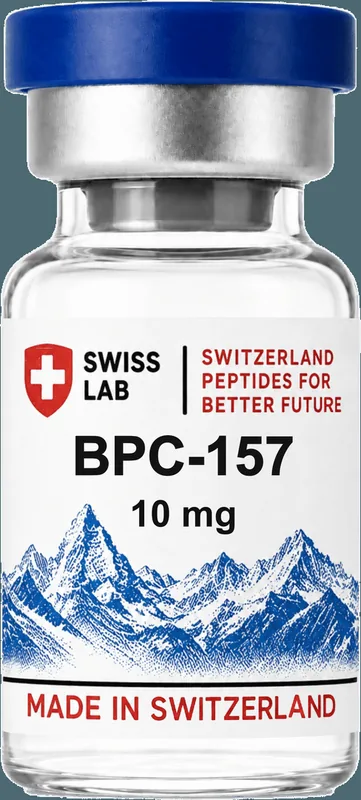
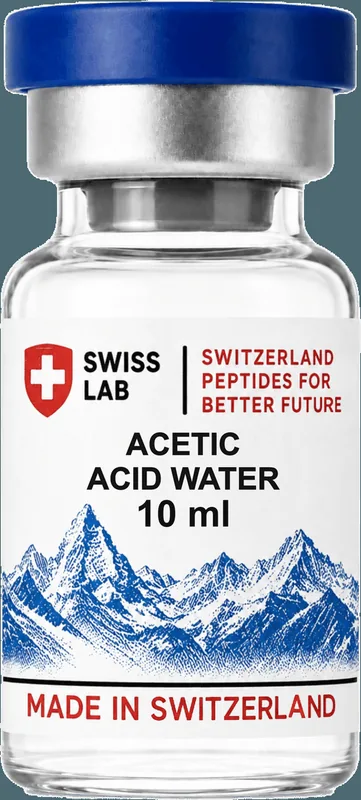
Sterile peptide reconstitution diluents, acidic co-solvents, enzymatic cofactors, and analytical buffer preparations.
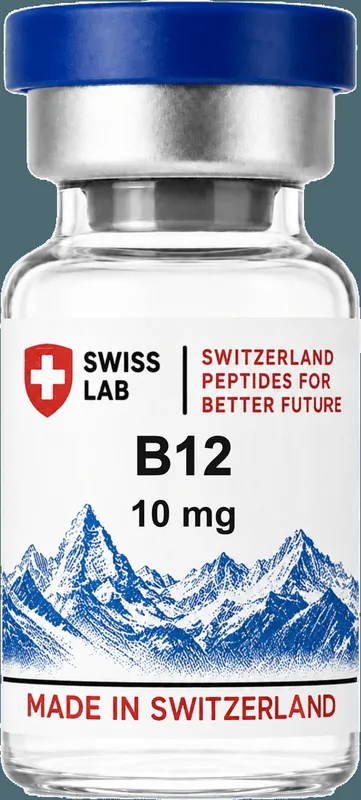
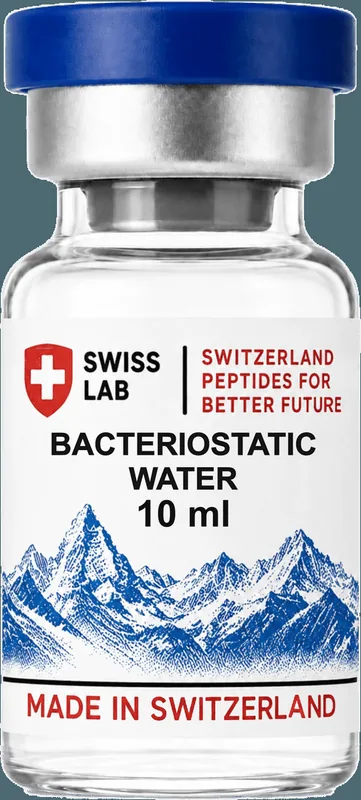
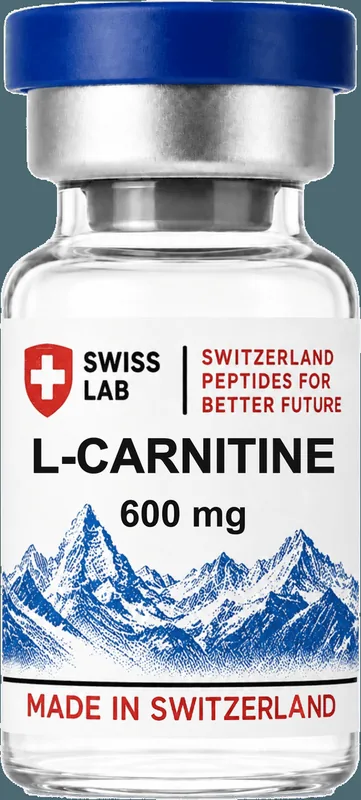
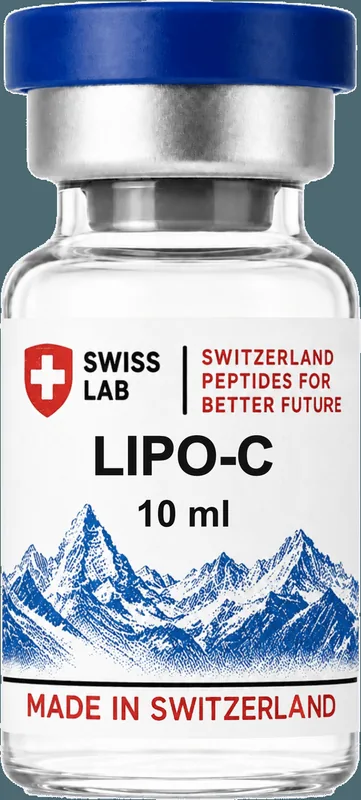
Accurate peptide reconstitution depends on diluent sterility, ionic strength, and pH compatibility. SwissLab supplies USP-compliant 0.9% Benzyl Alcohol Bacteriostatic Water for neutral/basic sequences, 0.6% Sterile Acetic Acid for hydrophobic or basic polypeptides such as IGF-1 LR3, and analytical-grade metabolic cofactors.
Every liquid diluent lot undergoes 0.22 µm terminal sterile filtration into USP Type I borosilicate vials and is verified against USP <71> sterility and USP <85> LAL endotoxin (<0.25 EU/mL) release specifications.
An analytical guide to laboratory reconstitution diluents. USP Bacteriostatic Water vs Sterile Water for Injection, antimicrobial mechanism of 0.9% Benzyl Alcohol, and pH stability.
A master laboratory protocol comparing peptide reconstitution solvents. Benzyl alcohol preservative dynamics, sodium chloride ionic strength effects on deamidation, and storage half-life data.
No. Never freeze liquid Bacteriostatic Water or 0.6% Acetic Acid diluent—freezing expands glass vials and compromises septum integrity. Store sterile liquid diluents upright at controlled room temperature (15°C–25°C) away from direct sunlight.
Use 0.6% sterile acetic acid for initial dissolution of strongly basic or hydrophobic polypeptides (such as IGF-1 LR3 or AOD-9604) that precipitate near neutral pH, then dilute into assay buffer as required.
0 items selected • Min. order €220
Your cart is empty
Browse our catalog of research peptides and reagents (minimum order €220).