Bacteriostatic Water vs Sterile Saline vs SWFI: Peptide Hydrolysis Kinetics, Preservative Stability, and Multi-Dose Storage
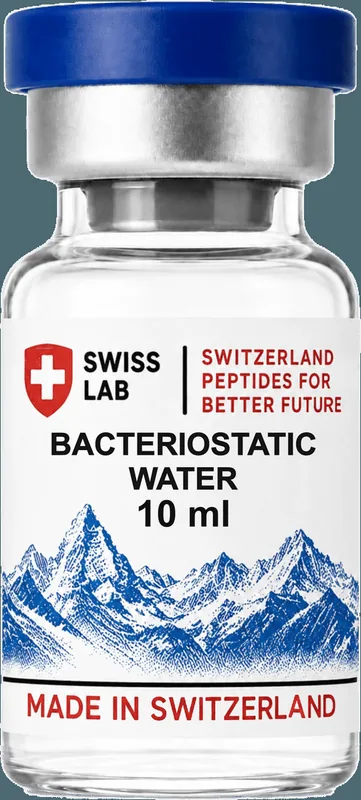
A master laboratory protocol comparing peptide reconstitution solvents. Benzyl alcohol preservative dynamics, sodium chloride ionic strength effects on deamidation, and storage half-life data. Bacteriostatic Water (0.9% Benzyl Alcohol) is the international standard diluent for multi-dose peptide research vials, preventing microbial contamination for 28 days.
- Bacteriostatic Water (0.9% Benzyl Alcohol) is the international standard diluent for multi-dose peptide research vials, preventing microbial contamination for 28 days.
- Sterile Water for Injection (SWFI) contains no preservative; vials must be used once and discarded within 24 hours to prevent bacterial protease degradation.
- 0.9% Sodium Chloride (Sterile Saline) adds ionic strength which can stabilize certain large globular peptides but may accelerate deamidation in sensitive sequences.
- Storage temperature is decisive: reconstituted peptide solutions stored at 4°C maintain >95% purity for 28 days, whereas room temperature exposure drops purity to <75% in 7 days.
| CAS Registry Number | 100-51-6 (Benzyl Alcohol) |
|---|---|
| Molecular Formula | C7H8O / 0.9% NaCl / Ultra-Pure H2O |
| Molecular Mass | 108.14 g/mol (Benzyl Alcohol) |
| Primary Biological Target | Sterile Diluent Chemistry, Microbial Prevention & Solution Kinetics |
| Analytical Purity Standard | ≥99.0% (RP-HPLC, C18, 214/220 nm) |
| Identity Verification | ESI-MS (±0.1 Da) + Karl Fischer Moisture (<3.0%) |
| Lyophilized Storage | -20°C desiccated, protected from UV light (24–36 months) |
| Reconstituted Storage | 2°C–8°C refrigerated (up to 28 days in 0.9% BA BAC water) |
1. Solvent Chemistry: Comparing the Three Primary Reagents
In laboratory peptide handling, choosing the correct reconstitution diluent is essential for experimental accuracy: • Bacteriostatic Water USP: Non-pyrogenic sterile water containing precisely 0.9% w/v (9 mg/mL) benzyl alcohol. Acts as a bacteriostatic preservative to prevent bacterial replication across multiple needle entries. • Sterile Water for Injection (SWFI): Single-use, preservative-free sterile water. Ideal for acute, single-dose analytical HPLC testing where benzyl alcohol UV absorbance at 210–220 nm might interfere with peak integration. • 0.9% Sodium Chloride (Bacteriostatic / Normal Saline): Isotonic electrolyte solution (154 mM Na+, 154 mM Cl-). Useful for in-vivo animal pharmacokinetic studies where osmolarity matching is required.
2. Microbial Bioburden and Proteolytic Degradation
Lyophilized peptide vials are sealed under vacuum or inert nitrogen. Once punctured with a needle, airborne bacteria (such as Pseudomonas aeruginosa, Staphylococcus epidermidis) can enter. In unpreserved SWFI, bacterial counts double every 20 minutes at room temperature, releasing bacterial endopeptidases and carboxypeptidases that rapidly cleave peptide bonds. The 0.9% benzyl alcohol in Bacteriostatic Water disrupts bacterial membrane proton gradients, maintaining sterile conditions for 28 days under refrigeration.
3. Chemical Stability: Hydrolysis, Deamidation, and Oxidation
Reconstituted peptides degrade through three primary chemical pathways: 1. Peptide Bond Hydrolysis: Water molecules cleave amide (-CONH-) bonds, accelerated at extreme pH (<3 or >8). 2. Asn/Gln Deamidation: Asparagine and glutamine residues convert to aspartic and glutamic acid via a cyclic succinimide intermediate. High ionic strength (saline) can accelerate deamidation in specific Asn-Gly motifs. 3. Methionine/Cysteine Oxidation: Thioether and thiol groups oxidize to sulfoxides and disulfides in the presence of dissolved oxygen.
4. SOP: Reconstitution Best Practices
1. Bring lyophilized vial and Bacteriostatic Water to room temperature (20°C–25°C) before reconstitution. 2. Disinfect the rubber septum with a sterile 70% isopropanol swab. 3. Use a sterile syringe to draw the required diluent volume. 4. Aim the needle at the inside glass vial wall, allowing the liquid to flow slowly down the side. 5. Gently swirl or roll the vial between your palms. Never shake or vortex, as hydrodynamic shear forces will denature secondary peptide structures. 6. Affix a label with the reconstitution date and store immediately at 2°C to 8°C.
5. Diluent Qualification & Multi-Entry Bench Controls
Before introducing any sterile diluent into high-value lyophilized peptides, inspect the borosilicate vial for particulate matter, confirm intact aluminum crimp seals, and verify lot expiration dates. Never freeze aqueous 0.9% benzyl alcohol or saline vials, and record the initial septum puncture date so multi-entry stocks are rotated within the 28-day USP <51> antimicrobial preservation window.
Peer-Reviewed References & Analytical Standards
- Meyer B.K. et al. (2007). Antimicrobial preservative use in parenteral products: past and present. Journal of Pharmaceutical Sciences, 96(12), 3155–3167. [PMID: 17722087 ↗]
- United States Pharmacopeia (USP-NF) General Chapter <51> Antimicrobial Effectiveness Testing & <71> Sterility Tests. [USP-NF <51>/<71> ↗]
Referenced Laboratory Research Reagents
Batch-verified SwissLab catalog entries cited in this monograph
All analytical monographs and chemical data are published strictly for in-vitro laboratory research and scientific reference. Reagents must be handled by qualified personnel wearing appropriate PPE. Not for human or veterinary use.