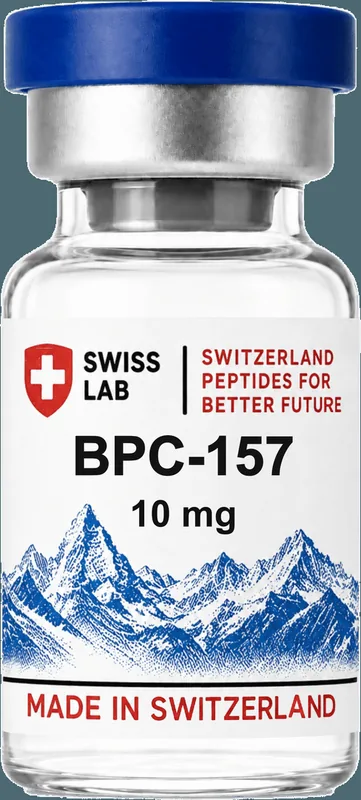
What “Research Use Only” (RUO) Actually Means: Regulatory Standards and Laboratory Compliance
A legal and scientific guide to Research Use Only (RUO) designations. ISO/IEC 17025 standards, institutional compliance, Material Safety Data Sheets (MSDS), and strict non-clinical handling. Research Use Only (RUO) is a standardized regulatory classification under Swiss, EU, and FDA regulatory frameworks.
- Research Use Only (RUO) is a standardized regulatory classification under Swiss, EU, and FDA regulatory frameworks.
- RUO compounds are intended exclusively for in-vitro laboratory research, analytical testing, and academic investigation.
- RUO substances are expressly NOT pharmaceutical drugs, medical treatments, food additives, or human therapeutics.
- Laboratories must maintain standard chemical safety protocols: fume hoods, PPE, proper SDS storage, and certified disposal.
- Purchasers must be qualified research institutions, corporate laboratories, or certified scientific investigators.
| CAS Registry Number | N/A (Regulatory Guidelines) |
|---|---|
| Molecular Formula | Laboratory Compliance Protocols |
| Molecular Mass | N/A |
| Primary Biological Target | In-Vitro & Analytical Assay Compliance |
| Analytical Purity Standard | ≥99.0% (RP-HPLC, C18, 214/220 nm) |
| Identity Verification | ESI-MS (±0.1 Da) + Karl Fischer Moisture (<3.0%) |
| Lyophilized Storage | -20°C desiccated, protected from UV light (24–36 months) |
| Reconstituted Storage | 2°C–8°C refrigerated (up to 28 days in 0.9% BA BAC water) |
1. The Regulatory Definition of RUO
The 'Research Use Only' (RUO) designation is a precise regulatory status governed by international chemical and biological standards (including Swiss MedDO, EU IVDR 2017/746, and US 21 CFR 809.10). An RUO product is manufactured, tested, and labeled solely for laboratory research, in-vitro assays, biochemical characterization, and non-clinical experimentation.
2. Clear Boundaries: RUO vs Clinical Products
RUO peptides and chemicals must never be administered to humans or animals for diagnostic, therapeutic, prophylactic, or cosmetic purposes. They are not approved by Swissmedic, EMA, or FDA for therapeutic use. Labeling and institutional purchase agreements strictly enforce that RUO reagents remain within controlled laboratory environments.
3. Laboratory Safety and Compliance Protocols
Institutions working with RUO peptides must implement standard Biosafety Level (BSL) and chemical hygiene protocols. Every shipment is accompanied by a Material Safety Data Sheet (MSDS / SDS) detailing physical hazards, solubility, personal protective equipment (PPE) requirements, and environmentally safe disposal guidelines.
4. Institutional Verification and Chain of Custody
SwissLab adheres to strict KYC (Know Your Customer) and laboratory verification protocols. We supply verified academic institutions, biotechnology enterprises, analytical laboratories, and certified researchers with full traceability, verifiable batch CoA documentation, and temperature-logged supply chains.
5. Institutional Documentation & Chain-of-Custody Checklist
Laboratories procuring RUO-classified reagents in Switzerland and the European Union should archive batch analytical records alongside internal chemical inventories and safety datasheets. Maintain lot-traceable receipt logs, verify cold-chain arrival temperatures for thermolabile reagents, and restrict compound handling exclusively to trained personnel operating under institutional EHS protocols.
Peer-Reviewed References & Analytical Standards
- European Commission Guidelines of 5 November 2013 on Good Distribution Practice of medicinal products for human use (2013/C 343/01). [EU GDP 2013/C 343/01 ↗]
- Regulation (EC) No 1907/2006 (REACH) & CLP Regulation (EC) No 1272/2008 — Laboratory Chemical Classification and Research Use Governance. [EU REACH / CLP ↗]
All analytical monographs and chemical data are published strictly for in-vitro laboratory research and scientific reference. Reagents must be handled by qualified personnel wearing appropriate PPE. Not for human or veterinary use.