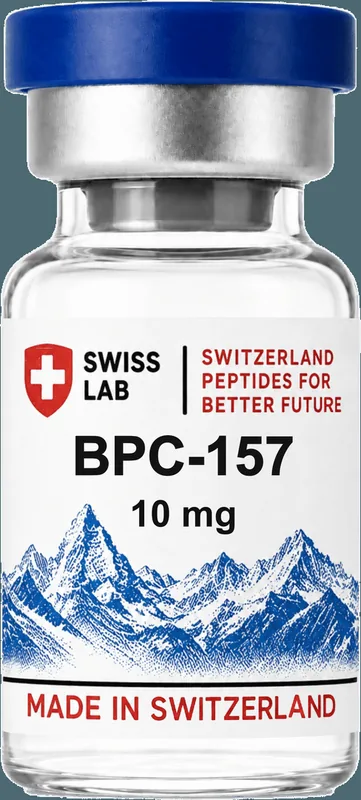
5-Amino-1MQ: Chemical Structure, Iodide Counterion Mass, and NNMT Inhibition
An analytical investigation into 5-Amino-1MQ (5-amino-1-methylquinolin-1-ium iodide). Why 44% of total mass is iodide salt, mechanism of NNMT inhibition, and laboratory handling protocols. 5-Amino-1MQ is a small-molecule quinolinium derivative, not a polypeptide chain.
- 5-Amino-1MQ is a small-molecule quinolinium derivative, not a polypeptide chain.
- In its iodide salt formulation, iodide represents ~44.3% of the total molecular mass.
- Selectively inhibits NNMT with an IC50 of approximately 1.2 µM, preventing 1-MNA formation.
- Reconstitutes cleanly in DMSO or sterile aqueous buffers for cell culture and metabolic assays.
| CAS Registry Number | 42464-96-0 |
|---|---|
| Molecular Formula | C10H11IN2 |
| Molecular Mass | 286.11 g/mol |
| Primary Biological Target | Nicotinamide N-methyltransferase (NNMT) |
| Analytical Purity Standard | ≥99.0% (RP-HPLC, C18, 214/220 nm) |
| Identity Verification | ESI-MS (±0.1 Da) + Karl Fischer Moisture (<3.0%) |
| Lyophilized Storage | -20°C desiccated, protected from UV light (24–36 months) |
| Reconstituted Storage | 2°C–8°C refrigerated (up to 28 days in 0.9% BA BAC water) |
1. Molecular Identity: Why 5-Amino-1MQ Is a Small Molecule, Not a Peptide
Despite frequently appearing in peptide research catalogs, 5-Amino-1-methylquinolin-7-ium iodide (5-Amino-1MQ) is structurally a synthetic small-molecule quinoline derivative. It does not possess amino acid residues or peptide bonds (-CONH-). Instead, it consists of a planar, aromatic quinolinium core methylated at the N1 position and substituted with an amino group at the C5 position. Because it exists as a quaternary ammonium salt, it carries an inherent positive charge balanced by an iodide (I⁻) counterion.
2. Stoichiometry and the 44% Iodide Counterion Mass
A critical detail often overlooked in laboratory dosage calculations is the contribution of the iodide counterion to the gross weight. The cation (5-amino-1-methylquinolin-1-ium, C10H11N2⁺) has a molar mass of 159.21 g/mol, while the iodide ion (I⁻) has an atomic weight of 126.90 g/mol, resulting in a total formula weight of 286.11 g/mol. Consequently, in a 10 mg vial of 5-Amino-1MQ iodide, precisely 5.56 mg is active quinolinium cation and 4.44 mg is inert iodide salt. For molar-concentration assays in cell culture, calculations must account for the active cation mass.
3. Mechanism of NNMT Enzyme Inhibition
Nicotinamide N-methyltransferase (NNMT) catalyzes the transfer of a methyl group from S-adenosylmethionine (SAM) to nicotinamide (NAM), producing S-adenosylhomocysteine (SAH) and 1-methylnicotinamide (1-MNA). By inhibiting NNMT with an IC50 of ~1.2 µM, 5-Amino-1MQ prevents the depletion of intracellular NAD+ salvage precursors and preserves SAM levels, thereby regulating epigenetic histone methylation and cellular energy expenditure in adipocyte and myocyte models.
4. Laboratory Reconstitution and Storage Stability
5-Amino-1MQ iodide is a yellow-to-orange crystalline powder. It exhibits moderate solubility in water (~5 mg/mL) and high solubility in DMSO (>25 mg/mL) or sterile saline. Solid lyophilized vials should be stored at -20°C shielded from light. Solutions prepared in DMSO remain stable at -80°C for up to 6 months with minimal photodegradation.
5. Small-Molecule Stock Preparation & Quantitative Assay Controls
Because 5-Amino-1MQ is a non-peptide small molecule or coenzyme (C10H11IN2, MW 286.11 g/mol), molar stock calculations should reference the exact formula weight—including any halide or buffer counterion—rather than polypeptide Net Peptide Content estimates. Keep final organic co-solvent (such as DMSO) below 0.5%–1.0% v/v in cellular assays and include matched vehicle controls.
Peer-Reviewed References & Analytical Standards
- Neelakantan H. et al. (2018). Selective and membrane-permeable small molecule inhibitors of nicotinamide N-methyltransferase reverse high fat diet-induced obesity in mice. Biochemical Pharmacology, 147, 141–152. [PMID: 29258821 ↗]
- Kraus D. et al. (2014). Nicotinamide N-methyltransferase knockdown protects against diet-induced obesity. Nature, 508(7495), 258–262. [PMID: 24717438 ↗]
- NCBI PubChem Compound Summary for CID 950107 — 5-Amino-1-methylquinolinium iodide (CAS 42464-96-0). [PubChem CID: 950107 ↗]
Referenced Laboratory Research Reagents
Batch-verified SwissLab catalog entries cited in this monograph
All analytical monographs and chemical data are published strictly for in-vitro laboratory research and scientific reference. Reagents must be handled by qualified personnel wearing appropriate PPE. Not for human or veterinary use.