≥99.0%
€42
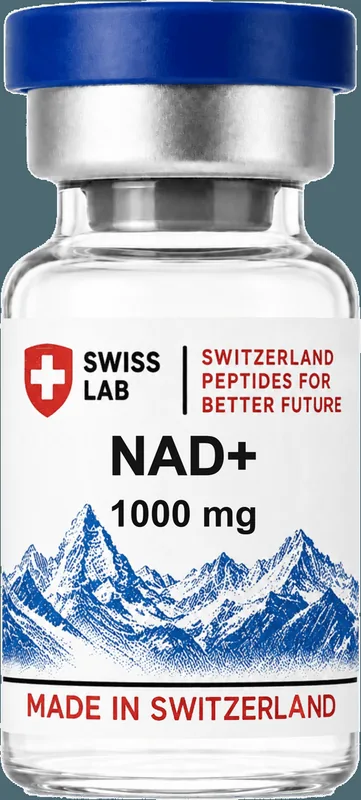
High-purity β-Nicotinamide Adenine Dinucleotide (β-NAD+, 500 mg) coenzyme reagent assayed for minimal nicotinamide/ADPR hydrolysis byproducts, designed for sirtuin deacetylase, PARP DNA-repair, and bioenergetic flux research.
High-purity β-Nicotinamide Adenine Dinucleotide (β-NAD+, 500 mg) coenzyme reagent assayed for minimal nicotinamide/ADPR hydrolysis byproducts, designed for sirtuin deacetylase, PARP DNA-repair, and bioenergetic flux research.
Analytical release verification for current NAD+ (500 mg) inventory
| Batch Lot # | Release Date | Analytical Method | Purity Spec | Endotoxin (LAL) | Moisture |
|---|---|---|---|---|---|
| SL-2026-148 | 2026-10-28 | HPLC-UV + LC-MS (Small-Molecule Verification) | ≥99.2% (Chromatographic Peak) | <0.5 EU/mg | <2.8% (Karl Fischer) |
Sterile PBS (pH 6.0–7.0) or Bacteriostatic Water (adjust pH carefully for cell assays)
Store lyophilized at -20°C dry; refrigerate reconstituted solutions at 2°C–8°C (hydrolyzes rapidly above 25°C).
Reconstituting the full 500 mg vial of NAD+ (MW 663.43 g/mol) in 2.0 mL of diluent produces a 250.00 mg/mL stock solution — equivalent to approximately 376.83 mM (376,830 µM) gross molarity before Net Peptide Content (NPC) adjustment.
NAD+ (CAS 53-84-9, formula C21H27N7O14P2) is supplied as Lyophilized free acid / buffered crystalline cake. Because counterions and residual bound water contribute to gross lyophilized weight, quantitative receptor-binding assays should apply batch Net Peptide Content (NPC) or active-ion correction rather than gross cake weight alone.
Lot SL-2026-148 undergoes HPLC-UV + LC-MS (Small-Molecule Verification) confirming ≥99.2% (Chromatographic Peak) and identity against 663.43 g/mol. In preclinical literature, NAD+ targets Sirtuins (SIRT1–SIRT7), PARPs, CD38 & Mitochondrial Complex I (Covarrubias A.J. et al., Nat Rev Mol Cell Biol (2021) — NAD+ metabolism and its roles in cellular aging (PMID: 33353981)).
Peer-reviewed mechanism summaries and analytical protocols
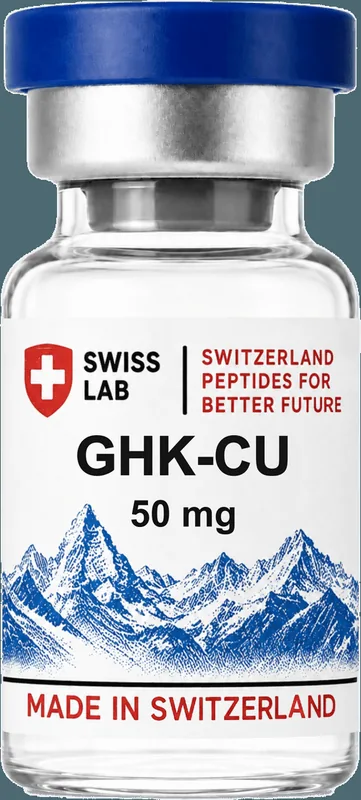
A biochemical review of the human tripeptide copper complex GHK-Cu. Epigenetic gene resetting, metalloproteinase modulation, collagen/elastin synthesis, and analytical HPLC verification.
A molecular analysis of reduced Glutathione (GSH) vs oxidized Glutathione Disulfide (GSSG). Why the unusual gamma-peptide bond protects against intracellular peptidases.
Biochemistry of MOTS-c (Met-Arg-Trp-Gln-Glu-Met-Gly-Tyr-Ile-Phe-Tyr-Pro-Arg-Lys-Leu-Arg). Mitochondrial open reading frame encoding, metabolic pathways, and Met-oxidation prevention.
0 items selected • Min. order €220
Your cart is empty
Browse our catalog of research peptides and reagents (minimum order €220).