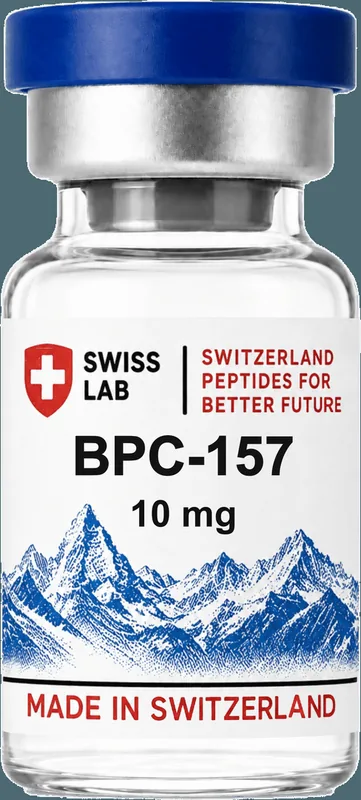
Evaluating Peptide Quality: Analytical Verification of CJC-1295 and Ipamorelin Batches
A technical checklist for procurement and laboratory quality verification of secretagogue batches. Analyzing deletion sequences, trifluoroacetate residues, and purity chromatography. Verify whether CJC-1295 is 'Mod GRF 1-29' (No DAC, molecular weight 3367.97 Da) or 'CJC-1295 with DAC' (molecular weight 3647.28 Da).
- Verify whether CJC-1295 is 'Mod GRF 1-29' (No DAC, molecular weight 3367.97 Da) or 'CJC-1295 with DAC' (molecular weight 3647.28 Da).
- Ipamorelin (711.86 Da) should display a clean single peak with zero free D-amino acid truncations.
- Confirm that solid-phase synthesis utilized Fmoc chemistry with preparative HPLC purification exceeding 99.0% peak area.
- Inspect mass spectrometry data for complete absence of TFA adducts and deletion peptides (e.g., [des-Lys28] or [des-Ala2]).
- Batch-specific traceability to Swiss laboratory production lots guarantees cold-chain continuity.
| CAS Registry Number | 863288-34-0 / 170851-70-4 |
|---|---|
| Molecular Formula | Standard Chemical Verification |
| Molecular Mass | N/A |
| Primary Biological Target | Supply Line Purity Verification |
| Analytical Purity Standard | ≥99.0% (RP-HPLC, C18, 214/220 nm) |
| Identity Verification | ESI-MS (±0.1 Da) + Karl Fischer Moisture (<3.0%) |
| Lyophilized Storage | -20°C desiccated, protected from UV light (24–36 months) |
| Reconstituted Storage | 2°C–8°C refrigerated (up to 28 days in 0.9% BA BAC water) |
1. Confirming Exact Sequence Identity: Mod GRF 1-29 vs CJC-1295 DAC
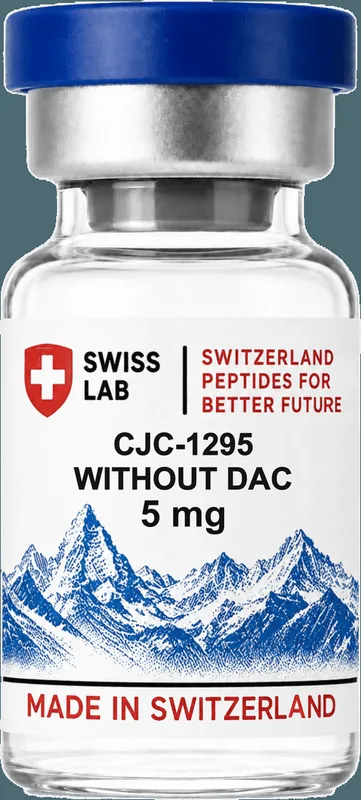
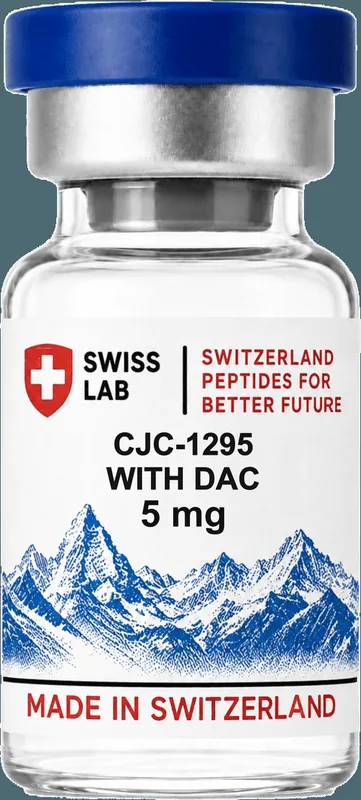
The most common confusion in peptide procurement is the distinction between Modified GRF 1-29 (CJC-1295 without DAC) and CJC-1295 with DAC. Modified GRF 1-29 is a 29-amino acid peptide with a theoretical molecular mass of 3367.97 Da. CJC-1295 with DAC possesses an additional C-terminal (3-maleimidopropionyl)-8-amino-3,6-dioxaoctanoyl linker with a molecular mass of 3647.28 Da. Check mass spectrometry data on the Certificate of Analysis to verify exact molecular mass.
2. Identifying Common Deletion and Truncation Impurities
During solid-phase peptide synthesis (SPPS), incomplete amino acid coupling can generate deletion sequences (peptides missing one residue, such as [des-His1] or [des-Gln8]). High-resolution RP-HPLC with a shallow gradient is necessary to separate these structurally similar impurities from the target peak. The main peak area must integrate to ≥99.0%.
3. Counterion Testing: TFA vs Acetate Exchange
Standard solid-phase synthesis cleaves peptides using trifluoroacetic acid (TFA), leaving residual TFA counterion salts. For sensitive cell culture and in-vitro electrophysiological assays where residual TFA can impact cell viability, confirm whether the batch has undergone counterion exchange to acetic acid (acetate salt) with analytical acetate quantification.
4. Packaging and Cold-Chain Standards
Peptides must be lyophilized in sterile USP Type I borosilicate glass vials, sealed with chlorobutyl rubber stoppers, and crimped with aluminum tear-off caps under a sterile nitrogen blanket. Vials must be shipped with temperature-insulated coolant packaging to prevent thermal excursions during transit.
5. Bench Preparation & Assay Reproducibility for Evaluating Peptide Quality
When designing in-vitro experiments targeting Supply Line Purity Verification, normalize dosing across replicates by molar concentration (µM or nM) using the published molecular weight (N/A) and batch counterion composition rather than gross powder weight alone. Log lot numbers, diluent pH, and aliquot dates to ensure batch-to-batch reproducibility across longitudinal experiments.
Peer-Reviewed References & Analytical Standards
- Teichman S.L. et al. (2006). Prolonged stimulation of GH and IGF-I secretion by CJC-1295. Journal of Clinical Endocrinology & Metabolism, 91(3), 799–805. [PMID: 16352683 ↗]
- Raun K. et al. (1998). Ipamorelin, the first selective growth hormone secretagogue. European Journal of Endocrinology, 139(5), 552–561. [PMID: 9849822 ↗]
- Jetté L. et al. (2005). Human growth hormone-releasing factor (hGRF)1-29-albumin bioconjugates activate the GRF receptor on the anterior pituitary in rats. Endocrinology, 146(7), 3052–3058. [PMID: 15817669 ↗]
Referenced Laboratory Research Reagents
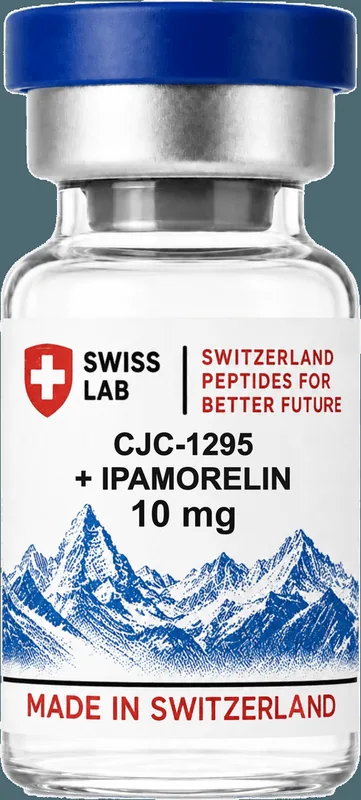
Batch-verified SwissLab catalog entries cited in this monograph
All analytical monographs and chemical data are published strictly for in-vitro laboratory research and scientific reference. Reagents must be handled by qualified personnel wearing appropriate PPE. Not for human or veterinary use.