≥99.0%
Custom Peptide Batch
Custom (10mg–5g) In stock
CAS Sequence-Specific (Custom SPPS)
MW: Calculated per Sequence (±0.1 Da ESI-MS)
€140
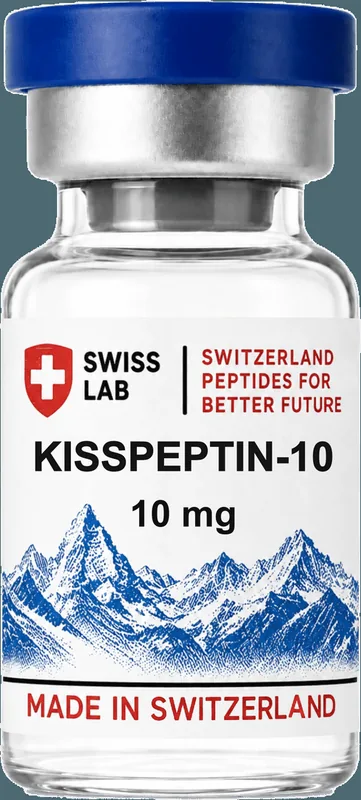
Kisspeptin-10 (KP-10) is the minimal C-terminal 10-amino acid bioactive fragment of the KISS1 gene product that potently activates GPR54 (KISS1R), driving upstream hypothalamic GnRH neuroendocrine signaling.
Kisspeptin-10 (KP-10) is the minimal C-terminal 10-amino acid bioactive fragment of the KISS1 gene product that potently activates GPR54 (KISS1R), driving upstream hypothalamic GnRH neuroendocrine signaling.
Analytical release verification for current Kisspeptin (5 mg) inventory
| Batch Lot # | Release Date | Analytical Method | Purity Spec | Endotoxin (LAL) | Moisture |
|---|---|---|---|---|---|
| SL-2026-136 | 2026-10-28 | RP-HPLC (C18, 214nm) + ESI-MS | ≥99.0% (Single Peak) | <0.5 EU/mg | <2.8% (Karl Fischer) |
Sterile 0.9% Bacteriostatic Water or sterile PBS (or minimal DMSO pre-solubilization)
Store lyophilized at -20°C protected from light; refrigerate working solution at 2°C–8°C.
Reconstituting the full 5 mg vial of Kisspeptin (MW 1302.44 g/mol) in 2.0 mL of diluent produces a 2.50 mg/mL stock solution — equivalent to approximately 1.92 mM (1,919 µM) gross molarity before Net Peptide Content (NPC) adjustment.
Kisspeptin (CAS 374675-21-5, formula C63H83N17O14) is supplied as Acetate lyophilized salt. Because counterions and residual bound water contribute to gross lyophilized weight, quantitative receptor-binding assays should apply batch Net Peptide Content (NPC) or active-ion correction rather than gross cake weight alone.
Lot SL-2026-136 undergoes RP-HPLC (C18, 214nm) + ESI-MS confirming ≥99.0% (Single Peak) and identity against 1302.44 g/mol. In preclinical literature, Kisspeptin targets KISS1R (GPR54) hypothalamic GPCR (Kotani M. et al., J Biol Chem (2001) — Metastasis suppressor KISS1 encodes endogenous GPR54 ligands (PMID: 11457843)).
Peer-reviewed mechanism summaries and analytical protocols
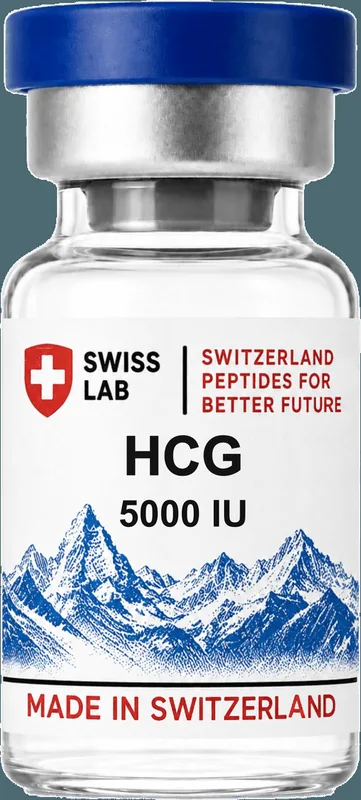
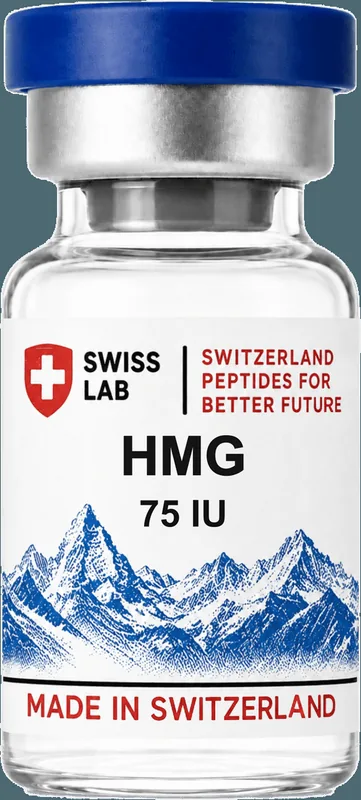
A comparative map of the HPG axis: GnRH receptor agonism (Gonadorelin), LH receptor mimetics (HCG), combined FSH/LH activity (HMG), and upstream GPR54 activation (Kisspeptin-10).
A practical guide for researchers. How to analyze HPLC chromatograms, verify retention time, interpret mass spec m/z peaks, evaluate counterion salt ratios, and spot fraudulent documents.
Standard Operating Procedure (SOP) for peptide reconstitution. Diluent selection (BAC water vs acetic acid), meniscus calculations, avoiding foaming, and cold storage parameters.
0 items selected • Min. order €220
Your cart is empty
Browse our catalog of research peptides and reagents (minimum order €220).