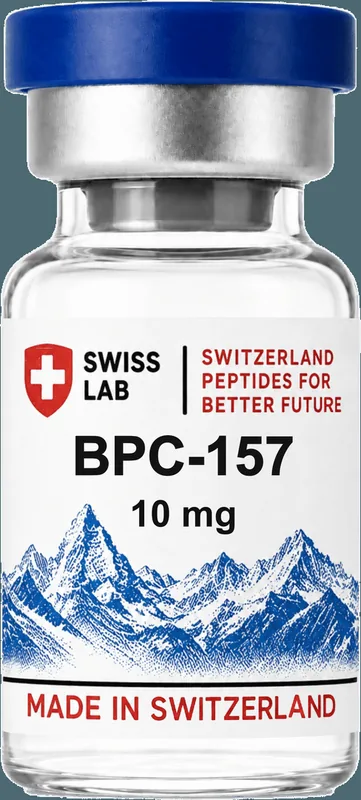
AOD-9604 vs HGH Frag 176-191: C-Terminal GH Domain Structure, Disulfide Bonds, and Adipocyte Lipolysis
A comparative analytical study between AOD-9604 (Tyr-hGH 177-191) and Fragment 176-191. Disulfide cyclic constraints, beta-3 adrenergic receptor interactions, and non-diabetogenic fat oxidation assays. Fragment 176-191 reproduces the lipolytic C-terminal region of human growth hormone (hGH 176-191).
- Fragment 176-191 reproduces the lipolytic C-terminal region of human growth hormone (hGH 176-191).
- AOD-9604 is a synthetic analog (Tyr-hGH 177-191) incorporating an N-terminal tyrosine to enhance chemical stability.
- Both peptides preserve the crucial Cys182-Cys189 intramolecular disulfide bond required for lipolytic bioactivity.
- Neither compound activates the somatogenic GH receptor, avoiding IGF-1 elevation, insulin resistance, or glycemic perturbation.
| CAS Registry Number | 221231-10-3 |
|---|---|
| Molecular Formula | C78H123N23O23S2 |
| Molecular Mass | 1815.1 g/mol |
| Primary Biological Target | Adipocyte Beta-3 Adrenergic Receptor & Hormone-Sensitive Lipase |
| Analytical Purity Standard | ≥99.0% (RP-HPLC, C18, 214/220 nm) |
| Identity Verification | ESI-MS (±0.1 Da) + Karl Fischer Moisture (<3.0%) |
| Lyophilized Storage | -20°C desiccated, protected from UV light (24–36 months) |
| Reconstituted Storage | 2°C–8°C refrigerated (up to 28 days in 0.9% BA BAC water) |
1. Sequence Differences: AOD-9604 vs Fragment 176-191
Human Growth Hormone (191 amino acids) possesses two distinct functional domains: the somatogenic/growth-promoting domain (N-terminal) and the lipolytic domain (C-terminal residues 176–191). Synthetic Fragment 176-191 corresponds to the exact native sequence: H-Leu-Arg-Ile-Val-Gln-Cys-Arg-Ser-Val-Glu-Gly-Ser-Cys-Gly-Phe-OH (MW 1815.1 Da). In contrast, AOD-9604 (Advanced Obesity Drug 9604) truncates the terminal leucine and prepends an N-terminal tyrosine residue: H-Tyr-Leu-Arg-Ile-Val-Gln-Cys-Arg-Ser-Val-Glu-Gly-Ser-Cys-Gly-Phe-OH (or Tyr-hGH 177-191). The addition of tyrosine optimizes peptide solid-phase synthesis yields and provides superior stability against N-terminal aminopeptidases.
2. Intramolecular Disulfide Loop Chemistry
The biological activity of both AOD-9604 and Frag 176-191 strictly depends on the formation of an intramolecular disulfide bridge between the two internal cysteine residues (Cys182 and Cys189). Linear, uncyclized variants exhibit less than 5% of the native lipolytic activity in adipocyte culture. High-resolution mass spectrometry and Ellman's reagent assays confirm 100% disulfide bridge closure in pharmaceutical-grade research batches.
3. Lipolysis and Beta-3 Adrenergic Receptor Signaling
In-vitro assays using primary white adipocytes indicate that AOD-9604 stimulates glycerol and free fatty acid release through upregulation of beta-3 adrenergic receptor (beta-3-AR) expression and hormone-sensitive lipase (HSL) phosphorylation. Crucially, competitive binding studies show that neither peptide binds to the human growth hormone receptor (hGHR). As a result, neither compound stimulates systemic IGF-1 synthesis or alters fasting blood glucose, distinguishing them from full-length recombinant hGH.
4. Analytical Testing, Reconstitution, and Storage
Both peptides are sensitive to oxidative cleavage at methionine/cysteine residues if exposed to elevated temperatures. Lyophilized vials should be stored desiccated at -20°C. Reconstitute using 1.0 mL to 2.0 mL sterile Bacteriostatic Water USP, swirling gently until optically transparent. Store reconstituted vials at 2°C to 8°C and use within 21 days for maximum experimental reproducibility.
5. Bench Preparation & Assay Reproducibility for AOD-9604 vs HGH Frag 176-191
When designing in-vitro experiments targeting Adipocyte Beta-3 Adrenergic Receptor & Hormone-Sensitive Lipase, normalize dosing across replicates by molar concentration (µM or nM) using the published molecular weight (1815.1 g/mol) and batch counterion composition rather than gross powder weight alone. Log lot numbers, diluent pH, and aliquot dates to ensure batch-to-batch reproducibility across longitudinal experiments.
Peer-Reviewed References & Analytical Standards
- Ng F.M. et al. (2000). Metabolic studies of a synthetic lipolytic domain (AOD9604) of human growth hormone. Hormone Research, 53(6), 274–278. [PMID: 11146367 ↗]
- Heffernan M. et al. (2001). The effects of human GH and its lipolytic fragment (AOD9604) on lipid metabolism following chronic treatment in obese mice and β3-AR knock-out mice. Endocrinology, 142(12), 5182–5189. [PMID: 11713213 ↗]
Referenced Laboratory Research Reagents
Batch-verified SwissLab catalog entries cited in this monograph
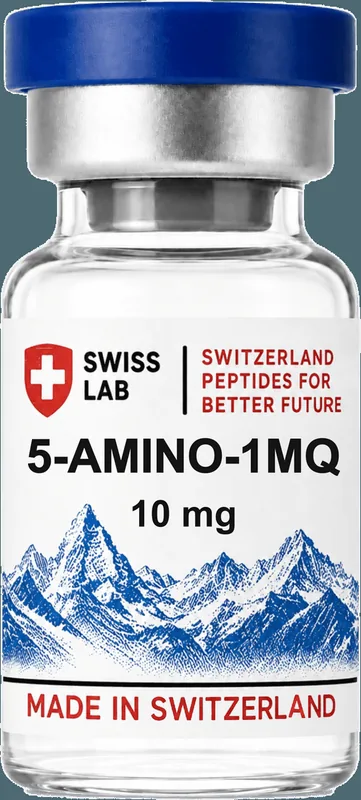
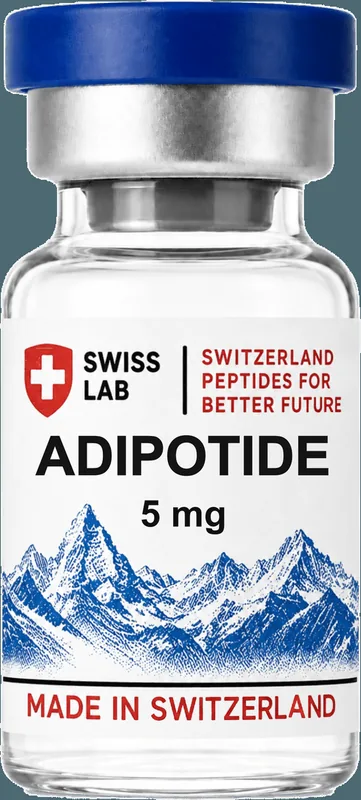
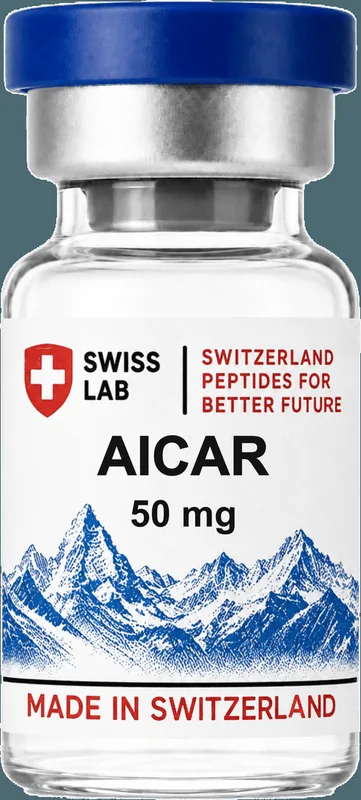
All analytical monographs and chemical data are published strictly for in-vitro laboratory research and scientific reference. Reagents must be handled by qualified personnel wearing appropriate PPE. Not for human or veterinary use.