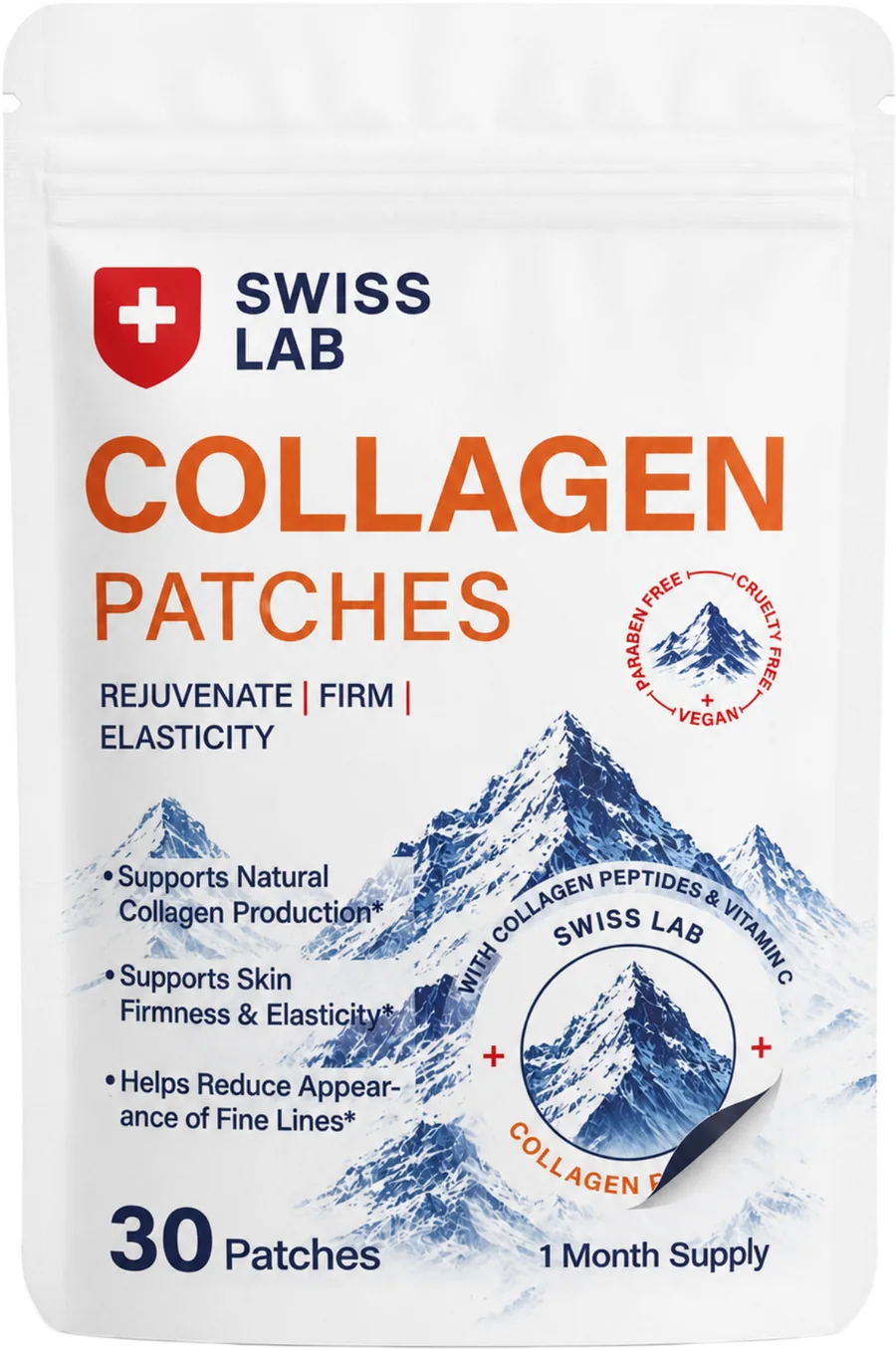
Collagen & Copper Peptide Patches
Formulated for dermal barrier permeation and extracellular matrix assays, combining low-Dalton marine collagen tripeptides (<500 Da) with cross-linked hyaluronic acid and chelated Copper Tripeptide-1 (GHK-Cu, MW 403.93 Da) in a non-occlusive aqueous hydrogel layer.
Matrix Active Constituents
- Hydrolyzed Marine Collagen Tripeptides (<500 Da)
- Low-MW Hyaluronic Acid
- Copper Tripeptide-1 (GHK-Cu)
30 hydrogel matrix patches / moisture pouch
8-hour hydrated polymer diffusion profile
<500 Da (tripeptides & GHK-Cu 403.93 Da)
EDTA-free matrix preserving 1:1 Cu²⁺ binding
Permeation & Diffusion Research Scope
Designed for comparative dermal-flux models investigating the 500-Dalton permeation rule across epidermal barriers and measuring downstream fibroblast collagen I/III and glycosaminoglycan expression markers.
Matrix Architecture: Aqueous hydrogel matrix (sustained 8-hour release)
Laboratory Handling & Storage Protocol
Equilibrate receptor buffer (pH 7.4 PBS without EDTA) at 32°C before mounting the hydrogel matrix flush against the test membrane. Avoid chelating detergents or strong acids that can strip Cu²⁺ from the Gly-His-Lys complex.
Storage Requirement: Store sealed at 15°C–25°C; protect from humidity and heat above 30°C.
Collagen & Copper Peptide Patches — Technical Questions
Why does this formulation use <500 Da hydrolyzed marine collagen tripeptides?
Intact native collagen (~300 kDa) cannot passively traverse stratum corneum lipid lamellae. Enzymatically hydrolyzed Gly-Pro-Hyp tripeptides (<500 Da) alongside GHK-Cu (403.93 Da) fall beneath the classical 500-Dalton passive diffusion threshold.
Why must Franz-cell receptor media exclude EDTA when testing GHK-Cu patches?
EDTA binds copper(II) ions more tightly than the GHK tripeptide, dissociating the active complex and confounding copper-peptide flux quantitation.