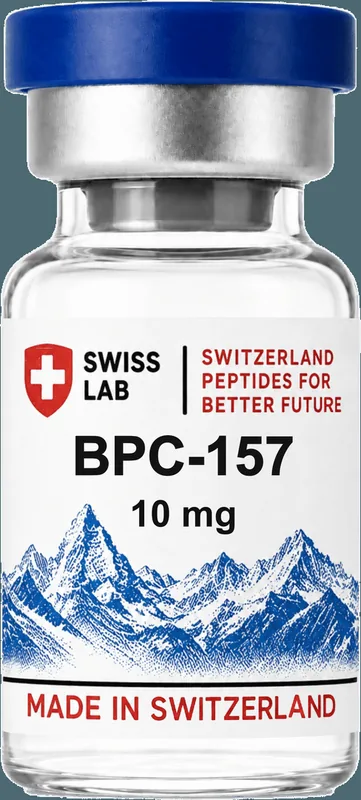
KLOW Blend: Multi-Peptide Co-Lyophilization and HPLC Chromatography of Complex Mixtures
Analyzing complex multi-compound formulations (GHK-Cu, BPC-157, TB-500, KPV). How co-lyophilization affects individual peptide stability, retention peaks, and analytical verification. The KLOW blend co-formulates four distinct research peptides: GHK-Cu, BPC-157, TB-500, and KPV.
- The KLOW blend co-formulates four distinct research peptides: GHK-Cu, BPC-157, TB-500, and KPV.
- A single HPLC purity percentage is scientifically impossible for a 4-peptide mixture; each compound produces an independent chromatographic peak.
- Analytical testing requires gradient reverse-phase HPLC capable of resolving four distinct retention times (Rt1, Rt2, Rt3, Rt4).
- The presence of GHK-Cu gives the lyophilized cake a characteristic pale blue coloration.
- Reconstitution parameters must satisfy the solubility requirements of all four peptide components simultaneously.
| CAS Registry Number | Combination Formulation |
|---|---|
| Molecular Formula | Multi-Peptide Matrix |
| Molecular Mass | Complex Mixture |
| Primary Biological Target | Synergistic Tissue & Cellular Pathways |
| Analytical Purity Standard | ≥99.0% (RP-HPLC, C18, 214/220 nm) |
| Identity Verification | ESI-MS (±0.1 Da) + Karl Fischer Moisture (<3.0%) |
| Lyophilized Storage | -20°C desiccated, protected from UV light (24–36 months) |
| Reconstituted Storage | 2°C–8°C refrigerated (up to 28 days in 0.9% BA BAC water) |
1. Composition and Rational Design of the KLOW Matrix
The KLOW blend combines four synergistic peptides investigating multi-pathway tissue remodeling: GHK-Cu (copper tripeptide for extracellular matrix modulation), BPC-157 (gastric pentadecapeptide for angiogenic nitric oxide signaling), TB-500 (thymosin β4 fragment for actin remodeling), and KPV (C-terminal alpha-MSH tripeptide for anti-inflammatory cytokine modulation). Each compound contributes a distinct pharmacological mechanism.
2. The Analytical Challenge: Resolving Multiple Peaks on HPLC
In single-peptide analysis, a single chromatographic peak is evaluated. In a four-peptide blend like KLOW, an analytical Certificate of Analysis must display four baseline-resolved peaks corresponding to the distinct retention times of KPV, GHK-Cu, BPC-157, and TB-500. Any vendor providing a single '99% purity' figure for a mixture is using simplified marketing copy; legitimate laboratory verification requires peak-area quantification for every individual component.
3. Formulation Stability and Chemical Compatibility
Co-lyophilization requires strict pH control during the bulk freezing phase. Because GHK-Cu contains a chelated copper ion and KPV is an amphiphilic tripeptide, the pre-lyophilization solution is buffered to pH 6.2–6.5 to prevent premature copper dissociation or peptide-peptide transamidation during freeze-drying.
4. Laboratory Reconstitution Protocols
Reconstitute the KLOW blend using sterile 0.9% Benzyl Alcohol Bacteriostatic Water. Because TB-500 and GHK-Cu possess different dissolution rates, allow the vial to rest for 5 minutes after solvent addition before gentle rolling. Store refrigerated at 2°C to 8°C away from light.
5. Bench Preparation & Assay Reproducibility for KLOW Blend
When designing in-vitro experiments targeting Synergistic Tissue & Cellular Pathways, normalize dosing across replicates by molar concentration (µM or nM) using the published molecular weight (Complex Mixture) and batch counterion composition rather than gross powder weight alone. Log lot numbers, diluent pH, and aliquot dates to ensure batch-to-batch reproducibility across longitudinal experiments.
Peer-Reviewed References & Analytical Standards
- Mant C.T. et al. (2007). HPLC analysis and purification of peptides: gradient resolution of multi-component mixtures. Methods in Molecular Biology, 386, 3–55. [PMID: 18604941 ↗]
- Pickart L. & Margolina A. (2018). Regenerative and protective actions of the GHK-Cu peptide in the light of the new gene data. Int J Mol Sci, 19(7), 1987. [PMID: 29986520 ↗]
- Kannengiesser K. et al. (2008). Melanocortin-derived tripeptide KPV has anti-inflammatory potential in murine models of inflammatory bowel disease. Inflamm Bowel Dis, 14(3), 324–331. [PMID: 18092346 ↗]
Referenced Laboratory Research Reagents
Batch-verified SwissLab catalog entries cited in this monograph
All analytical monographs and chemical data are published strictly for in-vitro laboratory research and scientific reference. Reagents must be handled by qualified personnel wearing appropriate PPE. Not for human or veterinary use.